
How a Local Insulation Company Helps Improve Energy Efficiency
Energy efficiency is a crucial part of modern home and building management. A local insulation company can help homeowners and business owners reduce wasted energy, improve indoor comfort, and make heating and cooling systems work more efficiently. This article explains how insulation supports better performance in residential and commercial properties.
Understanding Energy Efficiency
Definition and Importance
Energy efficiency refers to using less energy to perform the same task, which reduces energy waste and lowers energy bills. This concept is important because it helps conserve resources, reduces pollution, and cuts costs for consumers. Efficient energy use is also a key part of reducing reliance on energy generated from fossil fuels. Many governments and organizations promote energy efficiency as part of broader sustainability initiatives. Overall, energy efficiency supports environmental protection, financial savings, and stronger building performance.
Energy Efficiency Ratings
Energy efficiency ratings measure the energy performance of buildings and appliances. These ratings offer a standardized way to assess how well a product or building uses energy resources. Various systems, such as ENERGY STAR in the U.S., provide benchmarks for energy-efficient products and properties. Ratings are typically based on testing and specific performance criteria. For homeowners and businesses, understanding energy ratings can help guide decisions that support lower energy use and better long-term value.
Benefits of Energy Efficiency
Improved energy efficiency offers environmental, economic, and social benefits. Environmentally, increased efficiency reduces carbon emissions and pollution, helping to protect ecosystems. Economically, it leads to lower energy bills, providing meaningful savings for homeowners and businesses. Socially, energy efficiency can improve comfort and indoor air quality while reducing energy burden. These benefits help communities become more resilient and sustainable over time.
Current Challenges and Barriers
Despite the advantages, improving energy efficiency can come with several challenges. Initial costs may discourage some property owners, as energy-efficient solutions can require upfront investment. A lack of awareness about available options can also slow progress. In some areas, outdated building codes or limited incentives may make improvements less accessible. Addressing these hurdles often requires coordination among governments, companies, property owners, and community stakeholders.
The Role of Insulation in Energy Efficiency
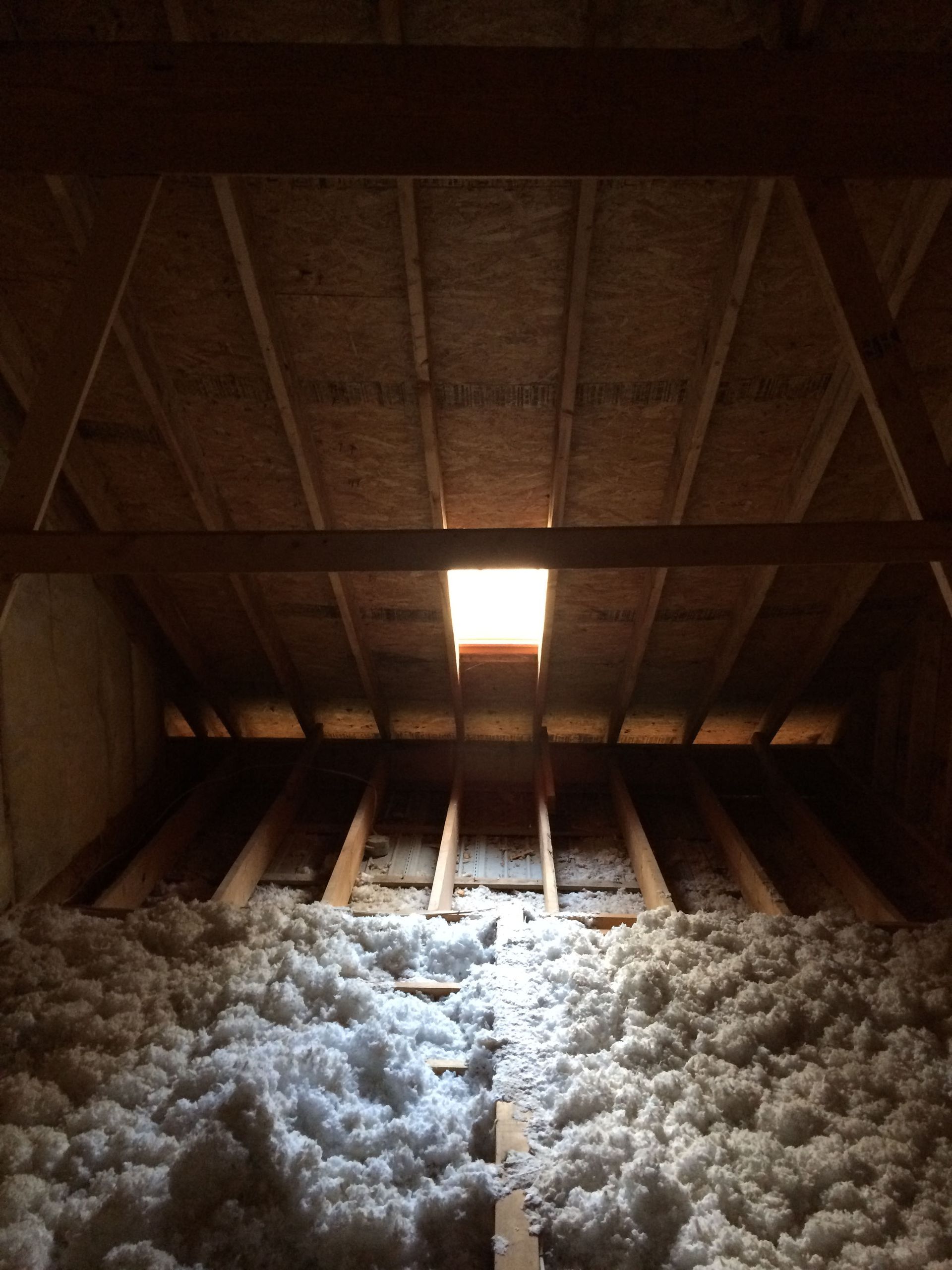
Insulation plays a pivotal role in improving energy efficiency by reducing heat transfer in buildings. It acts as a barrier to heat flow, helping maintain more consistent indoor temperatures throughout the year. A local insulation company can identify weak spots in a building envelope and recommend materials that fit the structure, budget, and comfort goals. Proper insulation can significantly decrease energy usage for heating and cooling. According to Sealed, attic insulation alone can save upwards of 45% on your energy usage.
The Role of a Local Insulation Company
Services Offered
A local insulation company may provide a range of services designed to improve building performance. These can include energy assessments, customized insulation recommendations, air sealing, attic insulation, wall insulation, crawl space insulation, and ongoing maintenance. Service providers may also inspect existing insulation for gaps, compression, moisture problems, or uneven coverage. By offering these services, insulation professionals help homeowners and businesses optimize energy use. The result can be improved comfort, lower utility costs, and a reduced environmental footprint.
Expertise and Workforce
The skills of an insulation company’s workforce are critical to successful energy efficiency projects. Trained technicians can perform detailed assessments and implement insulation solutions tailored to each building’s needs. Ongoing professional development helps workers stay current with updated materials, methods, and safety practices. A knowledgeable workforce contributes to high-quality installations and stronger energy savings. By using trained professionals, insulation companies can provide effective results and better customer satisfaction.
Installation Processes and Techniques
Assessment and Planning
The initial assessment and planning stages are crucial to successful insulation installation. This process involves evaluating the property’s current insulation, identifying energy leaks, and determining the most suitable insulation types. Detailed planning helps the installation produce stronger energy efficiency improvements. The assessment phase also includes discussions with property owners about goals, budget, comfort issues, and expectations. By prioritizing thorough planning, insulation companies can deliver tailored and effective energy solutions.
Insulation Techniques
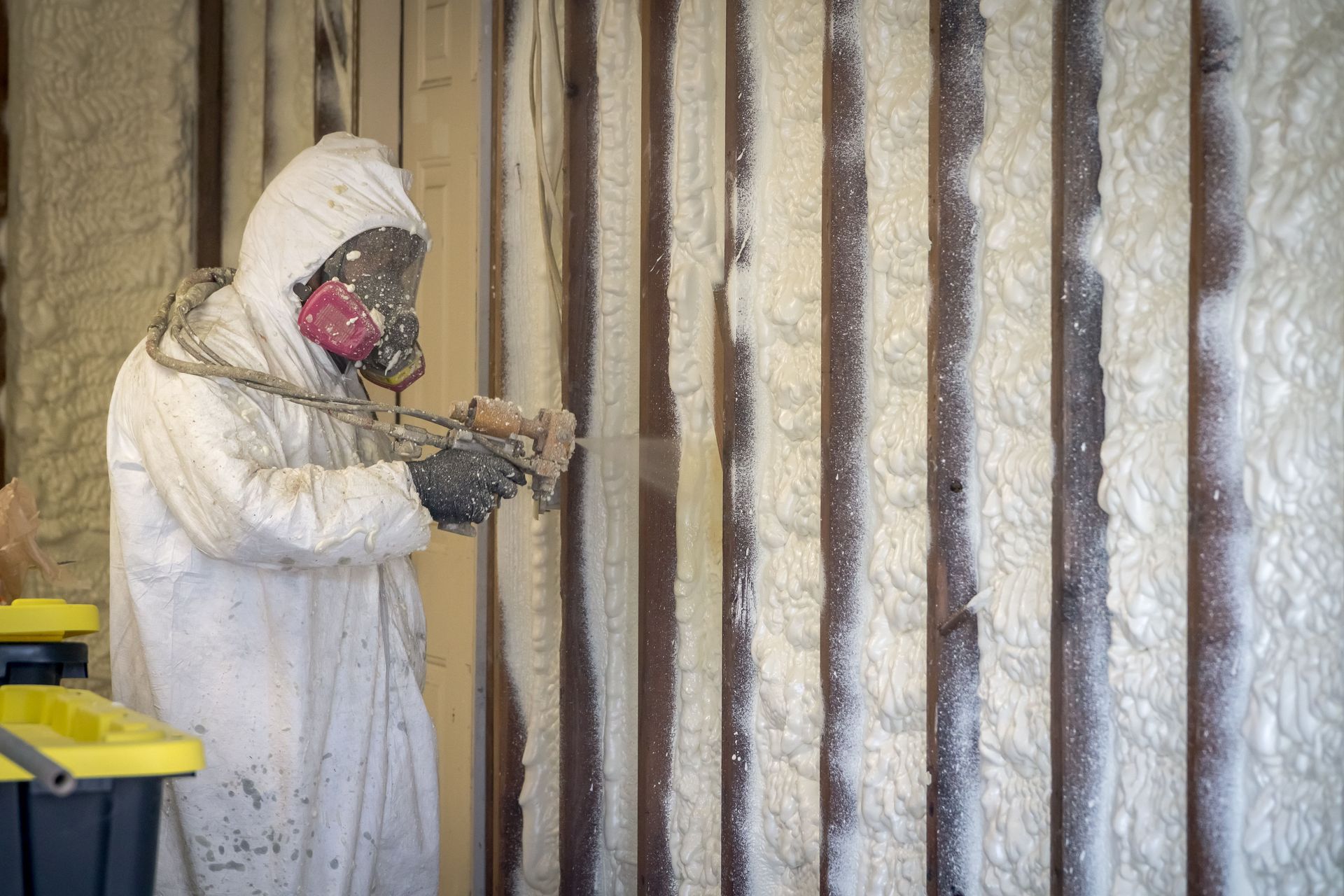
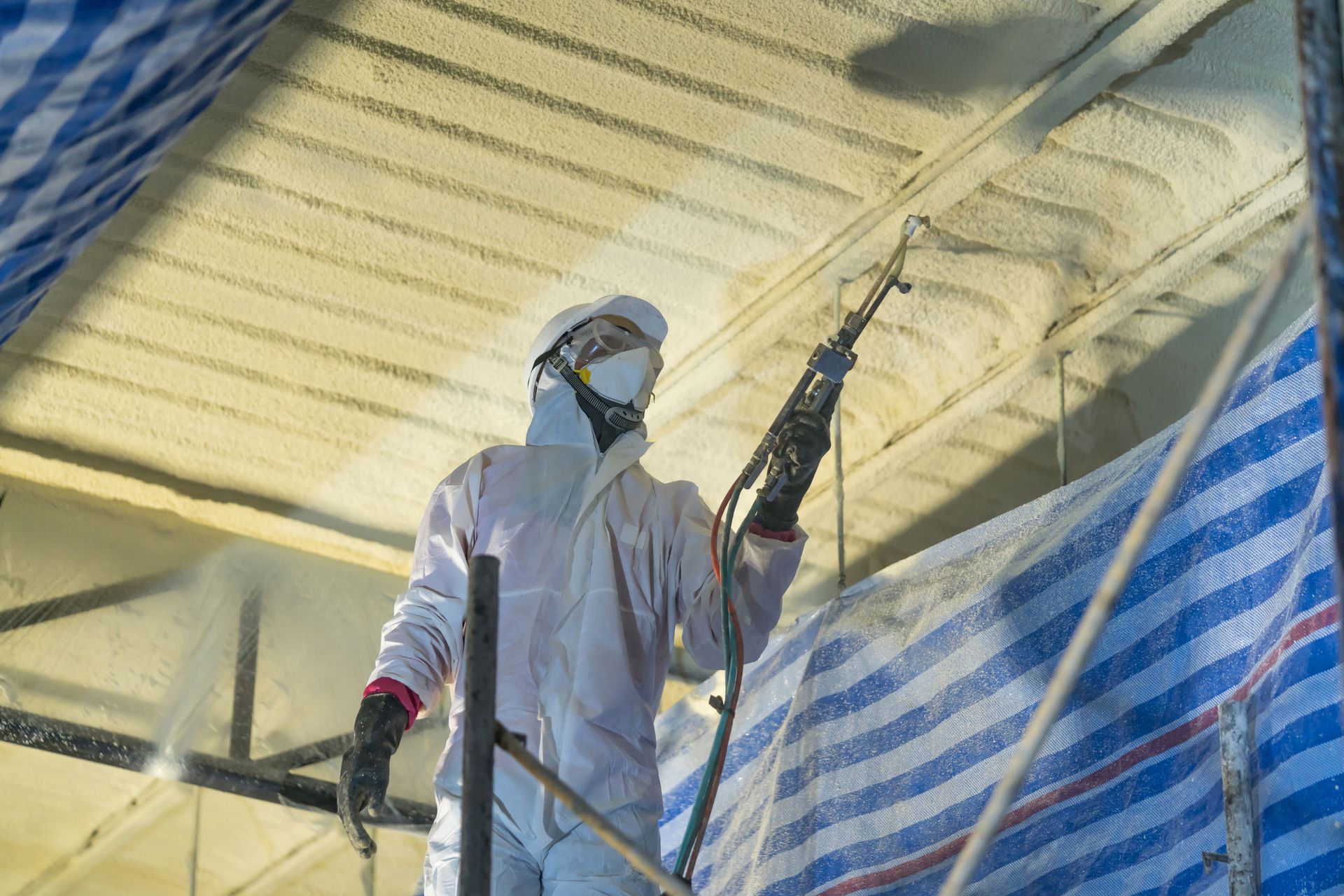
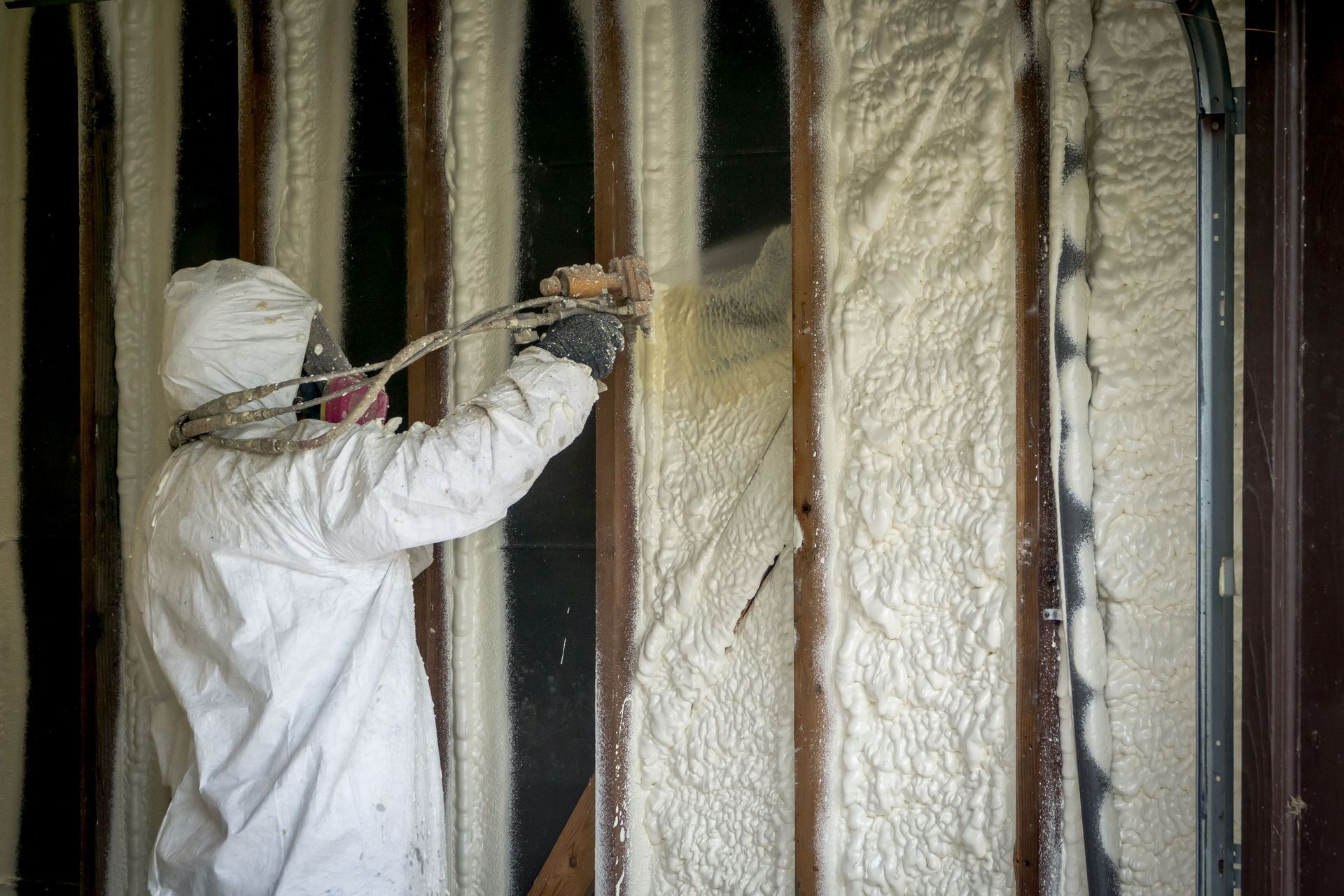
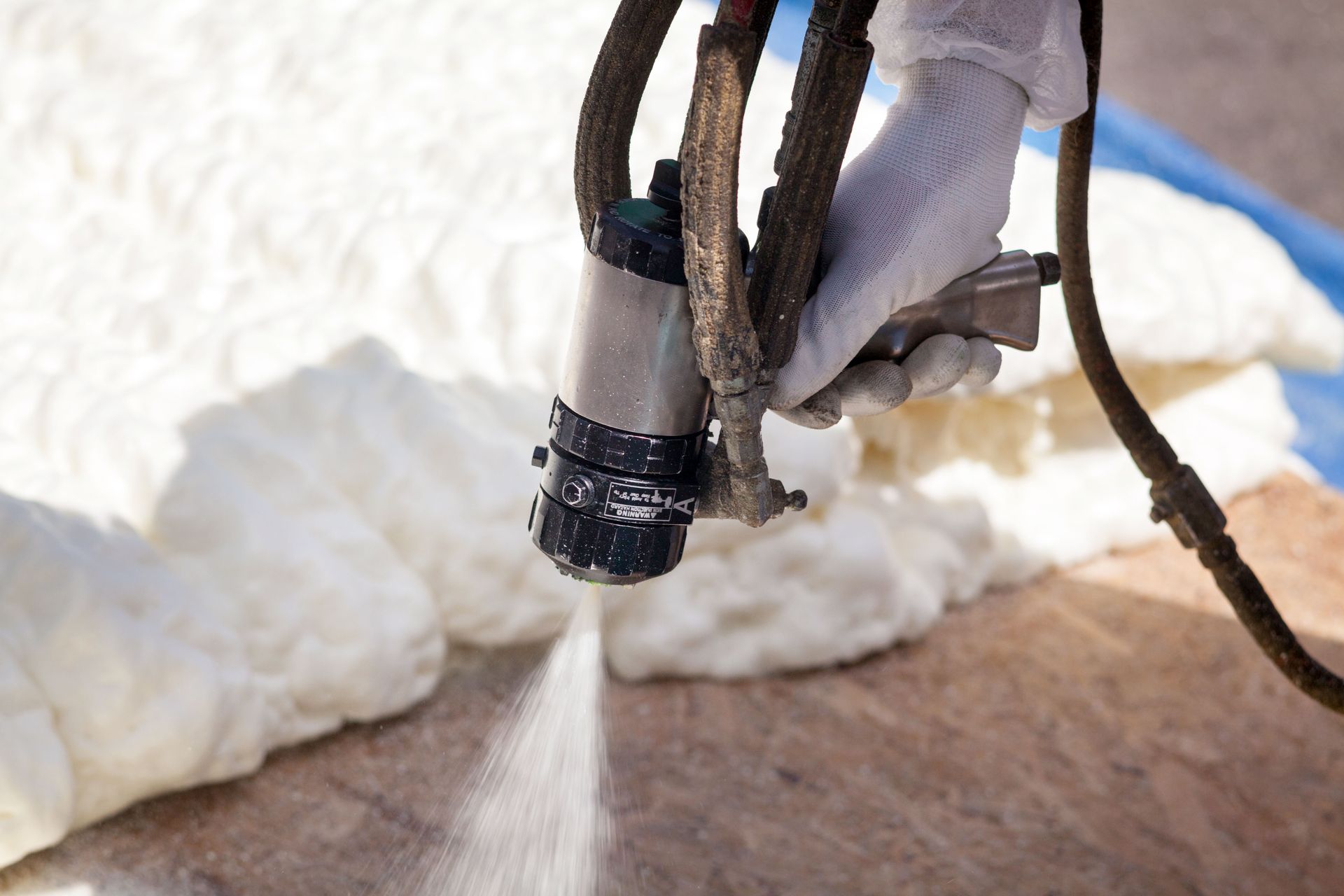
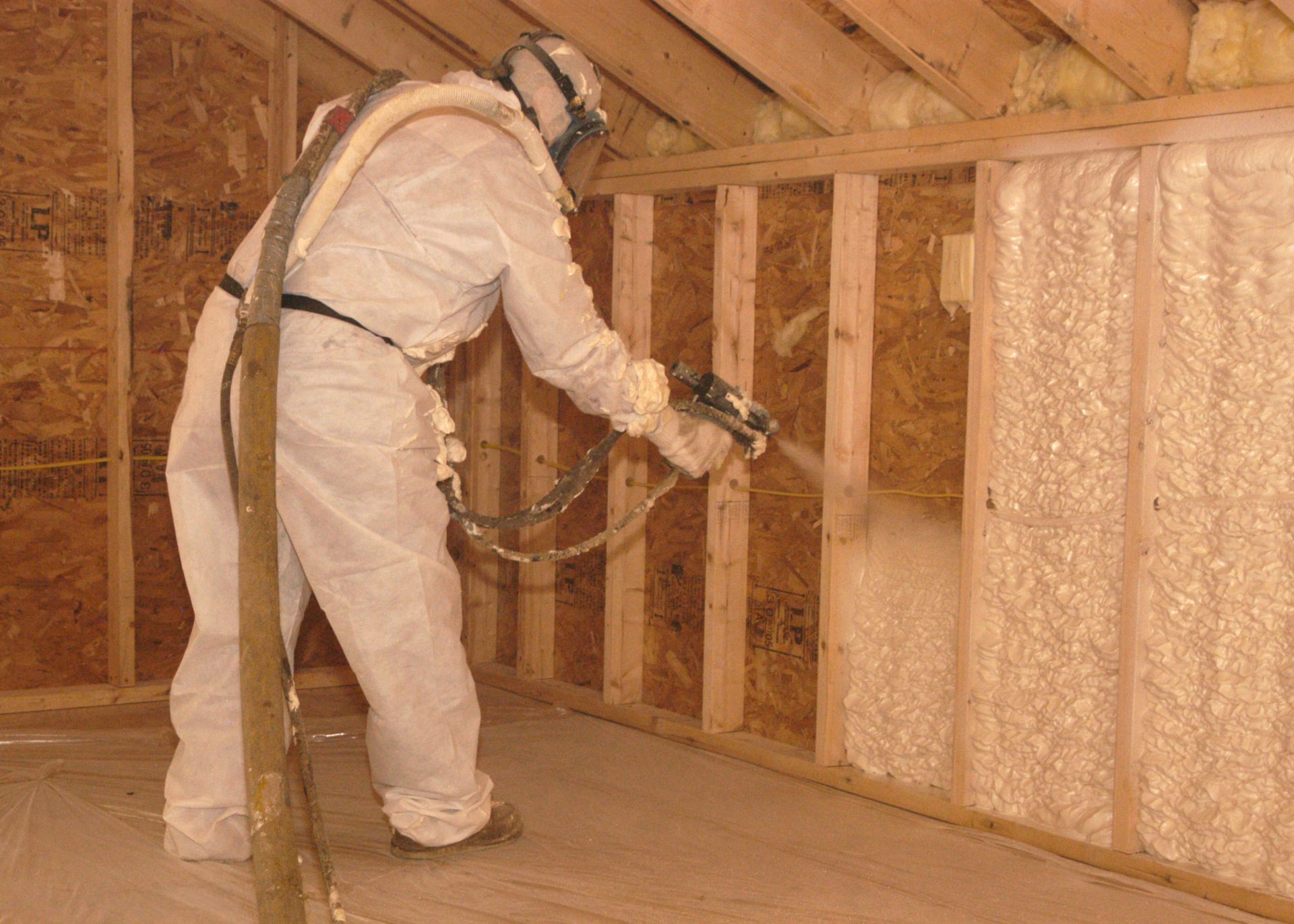
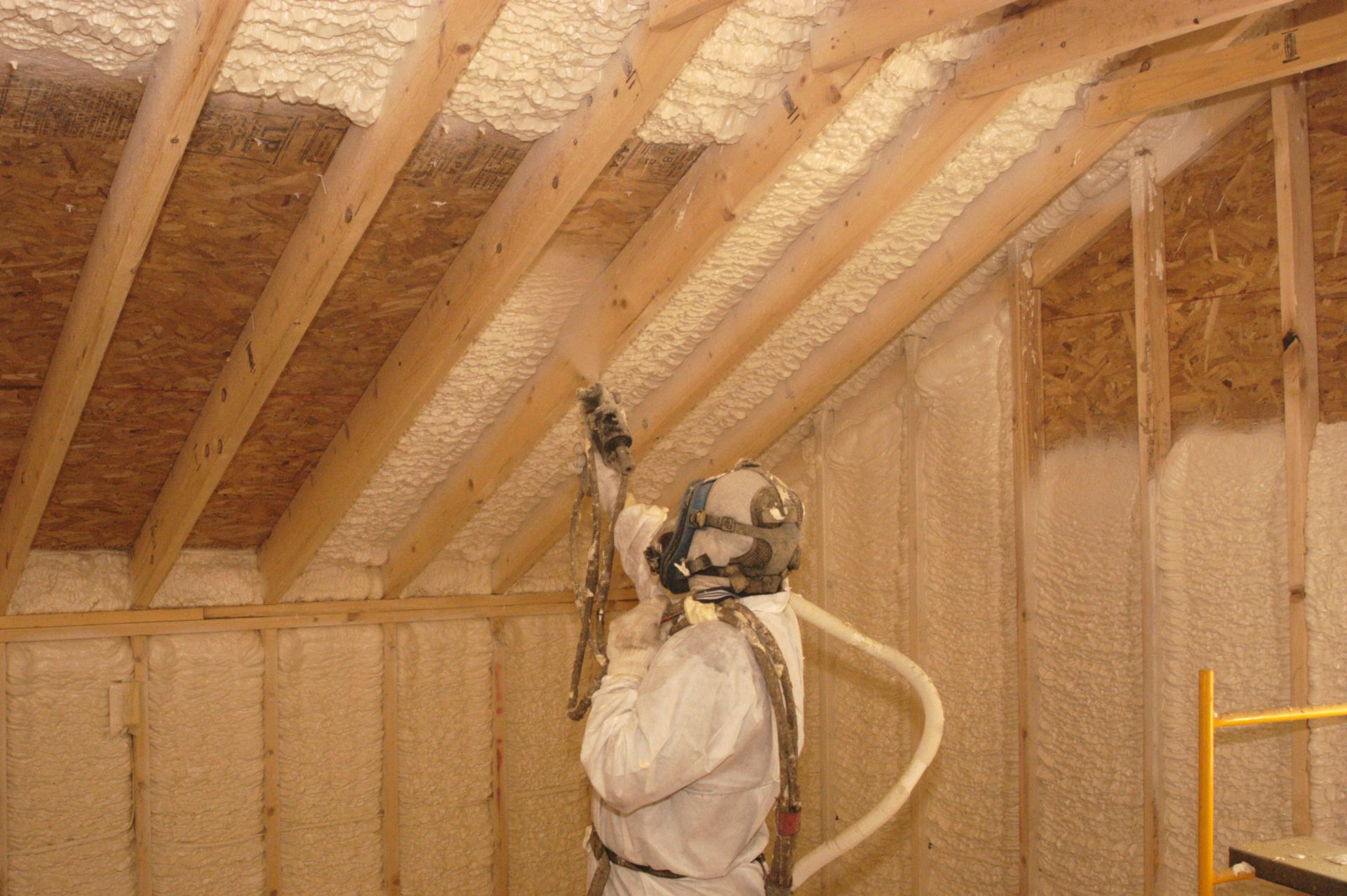
Various insulation techniques may be used depending on the type of building and specific energy efficiency goals. Common methods include applying spray foam insulation, installing fiberglass batts, or using cellulose in attic spaces. The choice of technique depends on factors such as building structure, budget, access points, and desired energy savings. Proper installation is critical for maximizing energy conservation and achieving long-term benefits. A local insulation company can determine which technique best fits each part of the property.
Quality Assurance
Quality assurance is essential in the insulation installation process to verify effectiveness and durability. Insulation companies use quality control measures to review the performance of their installations. This may involve inspecting the work for gaps, verifying adequate insulation thickness, and checking for consistent coverage. Quality checks help confirm that the insulation will perform as expected and continue to provide energy savings over time. Reliable companies prioritize clear communication, careful workmanship, and customer satisfaction through detailed inspections.
Safety Protocols
Safety during insulation installation matters for both workers and occupants. Insulation companies follow safety protocols to reduce risks associated with materials, tools, confined spaces, and installation techniques. Safety measures may include personal protective equipment, proper handling procedures, and adequate ventilation. Employee training also supports compliance with safety standards and responsible installation practices. By prioritizing safety, insulation companies can complete their work more smoothly and responsibly.
Post-Installation Evaluation
The post-installation evaluation is an important step in assessing the effectiveness of insulation work. This process may involve energy audits, visual inspections, or diagnostic testing to measure the impact of the new insulation. Homeowners may receive a report detailing changes in energy performance and any additional recommendations. Insulation professionals can use this information to confirm that the installation has addressed the property’s main efficiency concerns. It also provides a baseline for ongoing monitoring and future improvements.
Energy Savings and Economic Benefits
Reduction in Energy Bills
One of the most immediate benefits of improved insulation is a noticeable reduction in energy bills. Efficient insulation minimizes heat loss during winter and reduces the need for air conditioning in summer. As a result, homeowners may experience savings of up to 45% on their energy usage, according to Sealed. These savings can offset the initial cost of insulation over time, making it a financially practical investment. Lower utility bills can also make a household or business more affordable to operate.
Return on Investment
Investing in professional insulation services can provide a strong return on investment because of reduced energy use and improved comfort. The combination of lower energy bills and increased property value can support stronger financial returns over time. Professional insulation may also qualify for incentives or rebates, depending on the property and location. A local insulation company can help property owners understand which upgrades may offer the strongest value. The overall return makes insulation a practical improvement for long-term energy and financial benefits.
Impact on Property Value
Enhanced energy efficiency through proper insulation can increase the value of a property. Buyers are often interested in homes and buildings with energy-efficient features because they may offer greater comfort and lower monthly costs. Properties with efficient insulation can be viewed as more comfortable, sustainable, and cost-effective. This perception may translate into stronger market demand and improved resale value. For property owners, investing in insulation can support both short-term savings and long-term economic benefits.
A local insulation company can play an important role in improving energy efficiency, reducing energy waste, and helping properties stay more comfortable throughout the year. Through assessments, high-quality materials, careful installation, and post-installation support, insulation professionals help homeowners and businesses make practical upgrades that can lower utility costs and reduce environmental impact. With the right insulation partner, property owners can improve comfort, support long-term value, and take meaningful steps toward a more energy-efficient building. Contact Thermal Comfort Plus LLC today to learn more.

Share On: