
Is Insulation Worth It? Understanding Energy Savings and ROI
Maintaining a comfortable home environment while managing household expenses is a primary goal for homeowners everywhere. Many individuals wonder if upgrading their thermal barriers is a worthy endeavor or if the upfront costs outweigh the eventual benefits. The reality of rising energy costs means that heat loss during cold seasons and heat gain during warm seasons can drain household finances silently. Addressing these thermal weaknesses is crucial for achieving sustainable comfort and financial peace of mind. Among the various methods available, blown in insulation has emerged as a highly favored choice for modern households seeking to optimize their thermal defense. By examining how this simple upgrade affects monthly expenses, indoor comfort, and overall property value, we can gain a clearer understanding of why this project remains a top recommendation for improving residential efficiency. Ultimately, investing in the right materials secures physical comfort alongside long-term financial health, making it a cornerstone of smart home ownership.
How Insulation Lowers Monthly Utility Bills
The fundamental mechanism through which thermal barriers work involves slowing down the movement of heat. During colder months, heat naturally moves toward cooler areas, escaping through ceilings, walls, and uninsulated attics. In the warmer months, the process reverses as outdoor heat attempts to penetrate the air-conditioned spaces of the home. Without adequate resistance, heating and cooling systems must work continuously to maintain a stable indoor environment, leading to excessive energy consumption. By establishing a dense barrier, homeowners can effectively restrict this natural heat movement and retain their expensive conditioned air inside the living spaces. This temperature regulation ensures that the mechanical equipment does not have to run constantly to combat outdoor weather, preserving resources and energy.
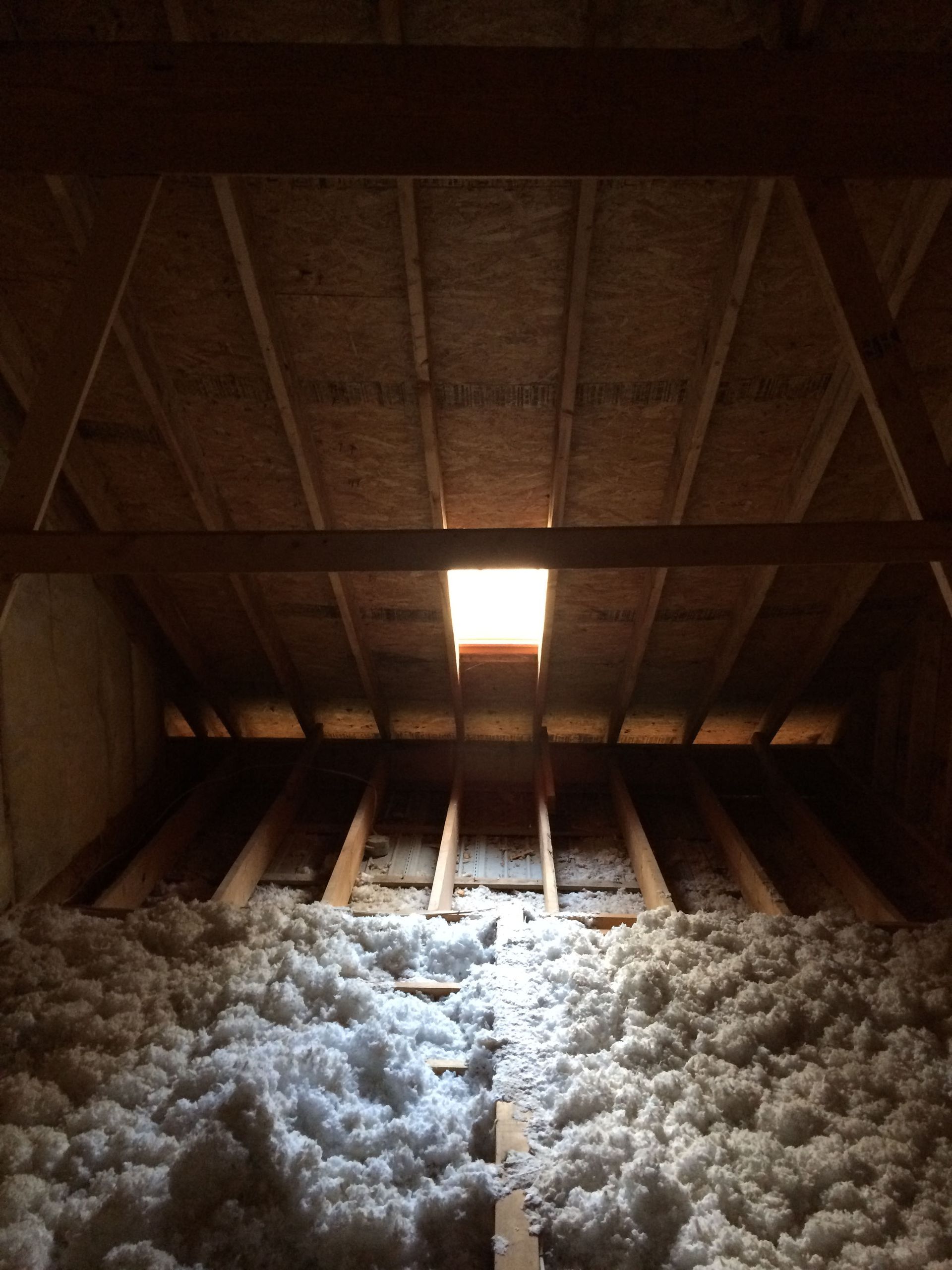
This reduction in heat transfer directly correlates to a decrease in monthly utility expenses. When heating and cooling equipment does not have to operate constantly, fuel and electricity consumption drop dramatically. Utilizing blown in insulation in the attic spaces is particularly effective for this purpose because it fills small gaps where air normally leaks out. Over time, the cumulative savings on utility bills can offset the initial expenses associated with the project. Homeowners frequently notice a drop in their monthly expenditures immediately after the project is completed, confirming the practical utility of this upgrade. Over the course of several seasons, these savings accumulate to form a substantial financial cushion that benefits the household budget for many years to come.
How Insulation Improves Indoor Thermal Conditions
Beyond the clear financial advantages, enhancing the thermal barrier of a home profoundly affects daily comfort. Homes with poor protection often suffer from drafty rooms, cold spots, and uneven temperatures between different levels. These fluctuations force residents to constantly adjust thermostats or rely on space heaters to feel comfortable in their own living spaces. A properly sealed ceiling and attic space prevent these temperature imbalances by keeping warm air from rising and escaping, ensuring that every room maintains a consistent, pleasant climate. This balance means that families can enjoy every room in the house, regardless of whether it is located upstairs or downstairs, creating a harmonious environment.
Opting for blown in insulation can significantly reduce these drafts by creating a dense, continuous blanket across the attic floor. This specific material settles into tight corners and around joists, blocking the tiny pathways where drafts typically originate. Additionally, this dense barrier helps with noise reduction, absorbing outdoor sounds such as traffic or severe weather to create a quieter indoor sanctuary. By choosing blown in insulation, families enjoy a more peaceful and stable living environment that supports overall well-being and daily relaxation. Reducing noise intrusion and stabilizing the temperature creates a calm atmosphere that enhances the quality of life for everyone inside the dwelling.
How Insulation Delivers Rapid Financial Returns
When evaluating home improvement projects, the timeline for recovering the initial investment is a critical consideration. Some upgrades take decades to pay for themselves, whereas thermal upgrades offer a much faster path to financial recovery. According to Insulation.org, the return on investment for adding insulation is quick, often from 6 months to 2 years. This remarkable turnaround time makes thermal upgrades some of the most cost-effective decisions a property owner can make. The immediate reduction in energy consumption ensures that the savings begin accumulating from the day of completion. Property owners can watch their utility bills decline immediately, proving the swift financial viability of the project and giving them instant relief.
Compared to cosmetic renovations like kitchen remodels or bathroom upgrades, thermal protection delivers functional financial benefits that directly impact the monthly budget. Installing blown in insulation is a particularly wise investment because the material cost and labor are relatively modest compared to the extensive savings achieved. Property owners do not have to wait for a sale to realize the value of their investment, as the utility savings act as a continuous dividend. This high return on investment makes thermal upgrades a logical starting point for any homeowner looking to improve residential efficiency. The ongoing nature of these savings means that the investment continues to pay off long after the initial costs are recovered, contributing to lifetime wealth.
How Insulation Protects Long-Term Property Values
A well-insulated home also benefits from reduced wear and tear on major mechanical systems. When a house lacks proper thermal protection, the heating and cooling equipment must run for extended periods to maintain comfort. This continuous operation shortens the lifespan of furnaces, heat pumps, and air conditioners, leading to premature system failures and expensive replacement costs. Implementing blown in insulation eases the workload on these mechanical systems, allowing them to cycle on and off as designed. By extending the operational life of heating and cooling equipment, homeowners save significant amounts of money on maintenance and replacement over the years. This preservation of mechanical assets adds another layer of financial protection for the household, preventing sudden emergency repair bills.
Furthermore, proper thermal barriers protect the physical structure of the building from potential damage caused by temperature extremes. In cold climates, heat escaping through the roof can melt snow on the shingles, leading to ice dams that cause water to back up under the roof. This moisture can ruin ceilings, rot wood, and encourage the growth of mold within the attic. Keeping the attic space cool and properly insulated prevents these destructive cycles, preserving the structural integrity of the home. Consequently, a home that is well protected against temperature fluctuations maintains its market value and appeals to future buyers who prioritize efficiency and durability. Protecting the physical bones of the building ensures that the investment remains secure, safeguarding the property for generations.
Ultimately, the decision to upgrade residential thermal barriers is a highly practical choice that pays for itself through multiple avenues. From reducing monthly utility expenses to creating a more stable and quiet living environment, the advantages of this upgrade are clear. Homeowners who invest in blown in insulation enjoy immediate relief from drafty spaces and high energy bills, while also extending the lifespan of their heating and cooling equipment. Protecting the structural integrity of a property against moisture damage and temperature extremes further solidifies the long-term value of this project. Given the rapid payback period and the ongoing comfort benefits, there is little doubt that improving thermal protection is a worthy investment for any property owner. To begin maximizing the energy savings and comfort of your home, contact Thermal Comfort Plus LLC.

Share On: