
Save Money on Utilities by Hiring Local Insulation Contractors
Managing residential utility bills requires maintaining a continuous thermal barrier around living spaces to prevent unwanted heat exchange with the outdoor environment. Homeowners frequently spend substantial sums attempting to lower energy costs through heating system upgrades or window replacements. However, uninsulated attics, hollow exterior walls, and unsealed crawlspaces allow conditioned indoor air to leak continuously into the surrounding atmosphere. Partnering with skilled local insulation contractors provides a direct, highly effective strategy for controlling household energy consumption and stabilizing monthly expenses throughout the year. Experienced regional insulation specialists evaluate thermal deficiencies across your entire building envelope, identifying hidden air gaps and installing targeted insulation materials designed to resist climate extremes. Establishing a robust thermal barrier decreases mechanical workload on heating and cooling systems, protecting home appliances while generating lasting financial savings for your household.
Analyzing Regional Building Performance and Local Climate Requirements
Thermal protection requirements vary dramatically depending on geographic location, local humidity trends, seasonal temperature swings, and municipal building codes. Insulation strategies that succeed in mild coastal climates can fail completely in regions subjected to severe freezing temperatures or extreme summer heatwaves. Qualified local insulation contractors possess deep knowledge regarding regional weather patterns, local building code requirements, and thermal resistance standards specific to your municipality. Regional specialists understand how local humidity levels impact moisture transport through building assemblies, ensuring that vapor barriers and thermal insulation are configured correctly to prevent mold growth and wood rot. Utilizing local weather data allows regional professionals to calculate precise thermal resistance targets for attics, crawlspaces, and exterior walls, delivering customized building envelope solutions that maximize energy efficiency in your specific geographic zone.
Conducting Comprehensive Thermal Evaluations and Air Leakage Diagnostics
Identifying thermal leaks and air infiltration points across a residential structure requires diagnostic equipment and trained building science expertise. Unseen thermal bridges, unsealed recessed light fixtures, uninsulated ductwork, and loose attic hatches act as continuous pathways for conditioned air loss. Professional local insulation contractors conduct comprehensive home energy assessments utilizing infrared thermal cameras, calibrated blower door testing equipment, and smoke pencils. Diagnostic thermal imaging pinpoints exact locations where heat escapes during winter months or penetrates during summer afternoons. Pinpointing structural energy leaks enables installation crews to focus thermal upgrades precisely where heat loss is greatest. Comprehensive diagnostic evaluations ensure every dollar spent on thermal improvements delivers maximum return on investment through immediate, measurable reductions in monthly utility bills.
Selecting the Ideal Insulation Material and Achieving High Thermal Performance
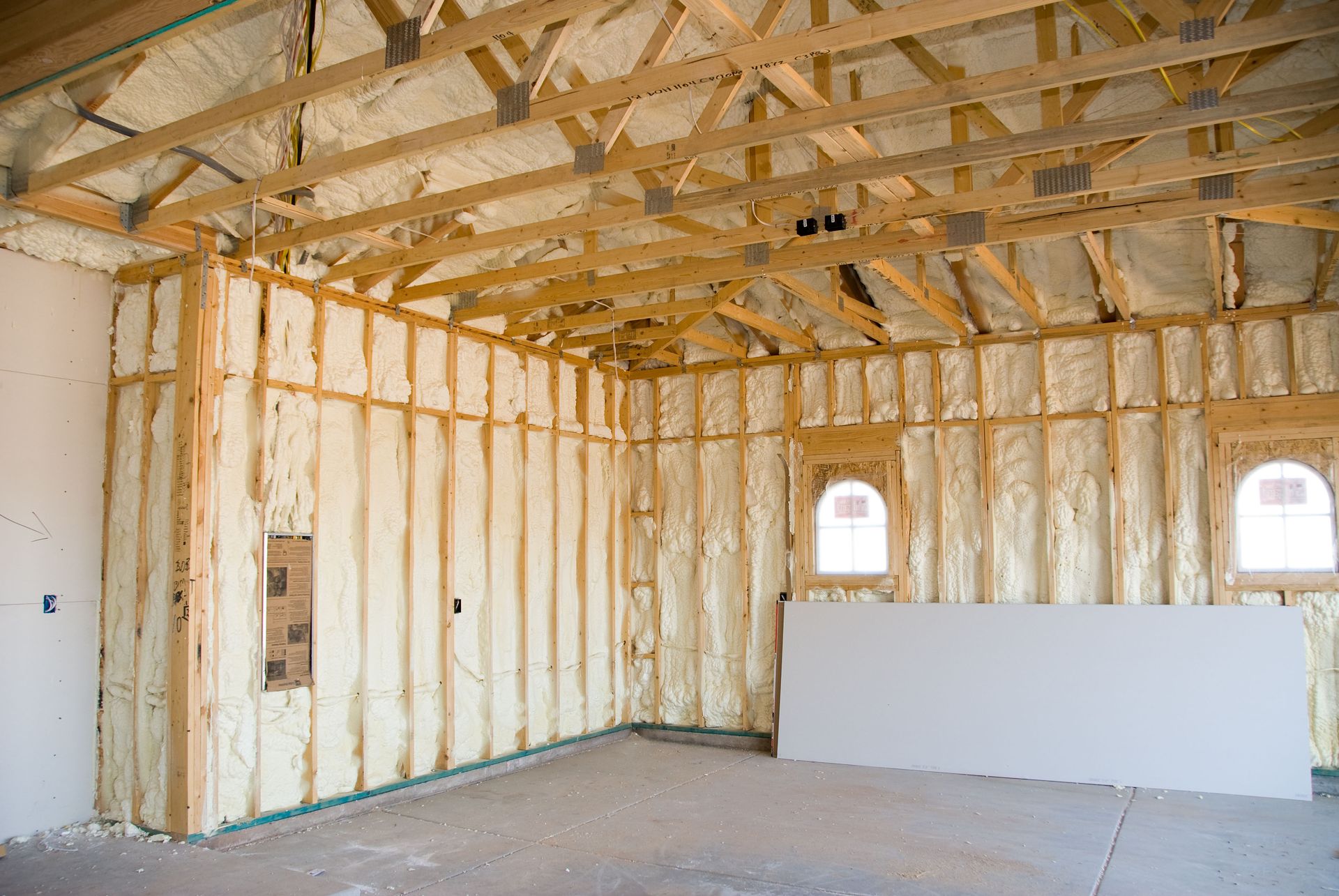
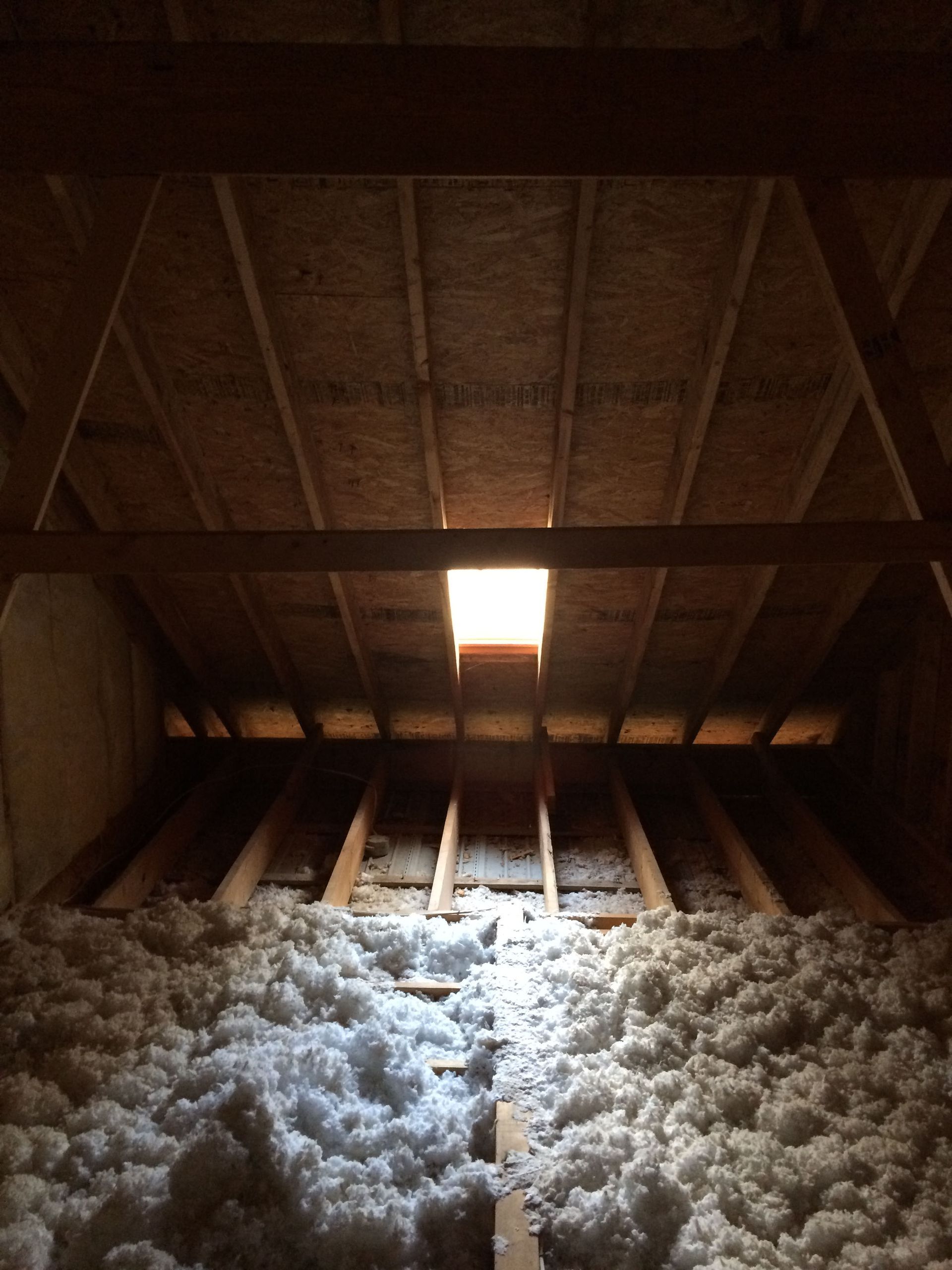
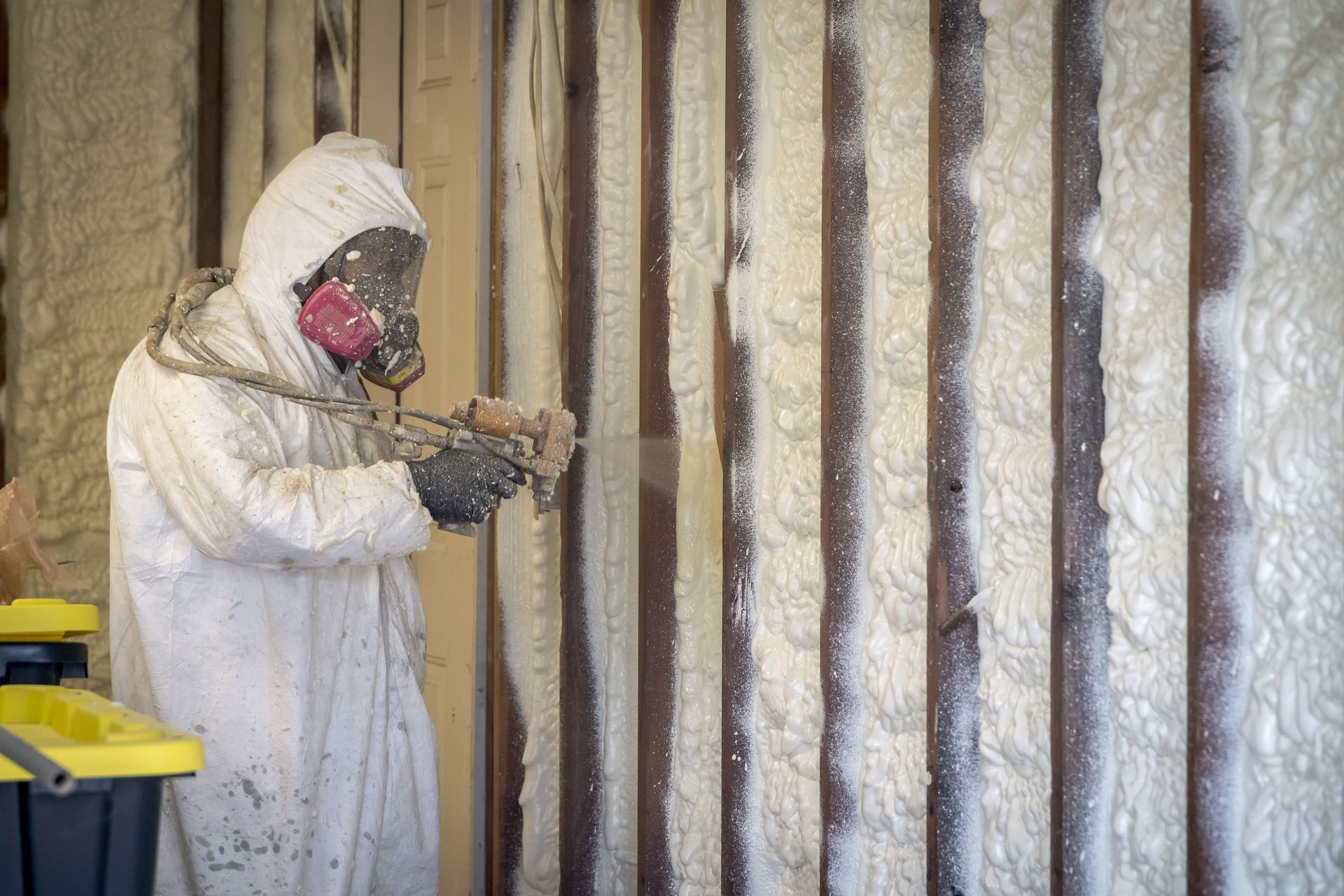
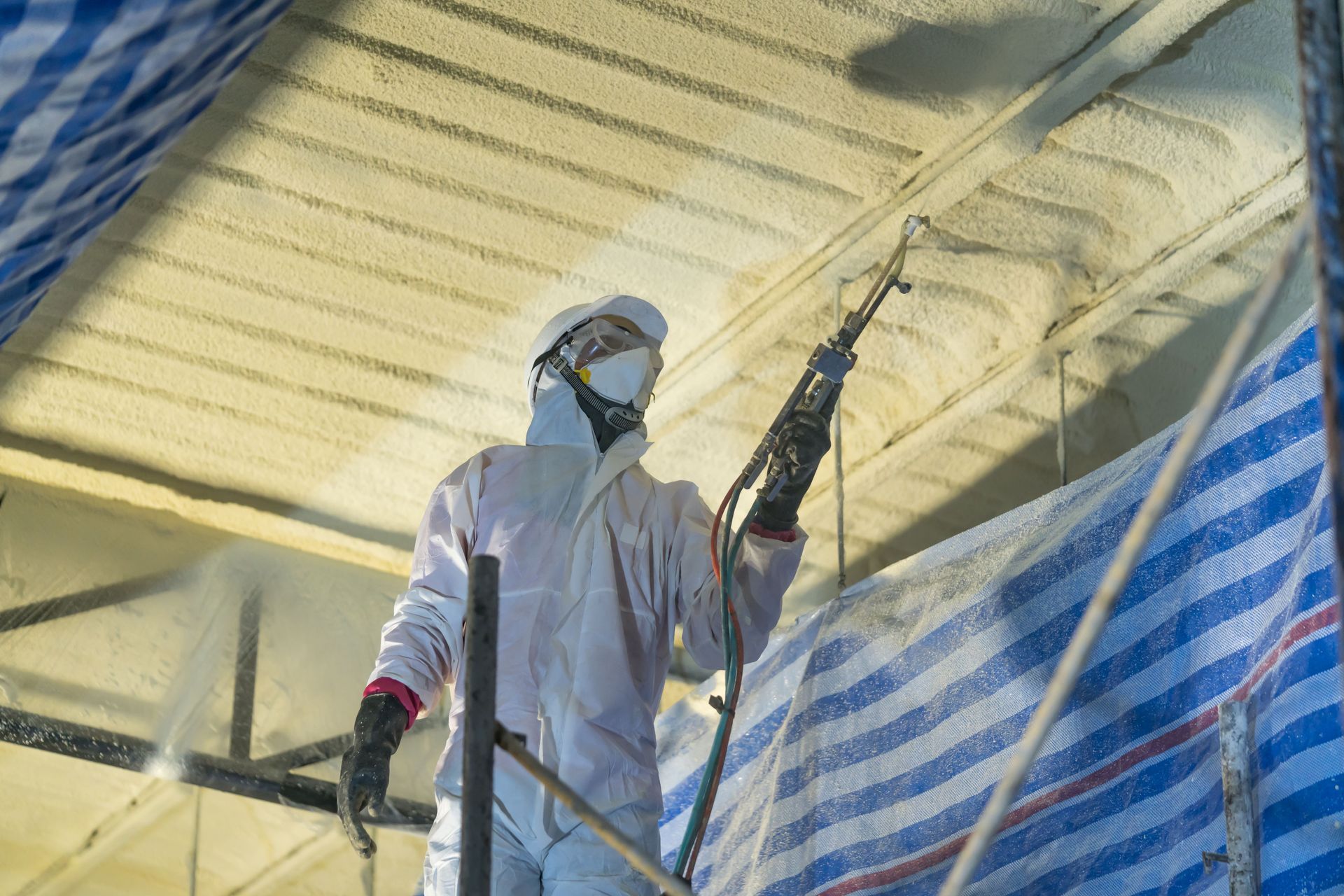
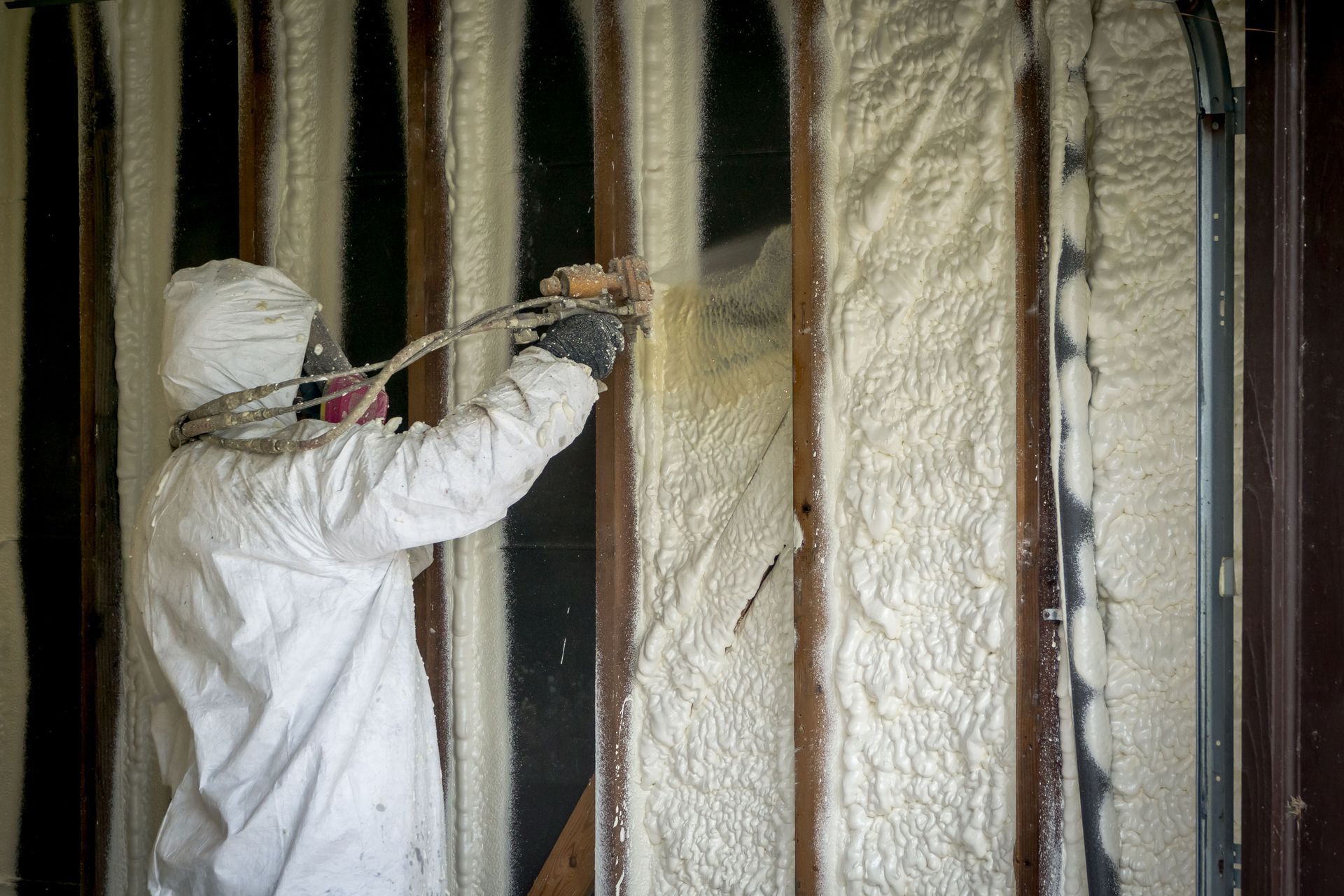
Selecting the appropriate insulation material requires balancing thermal performance goals, structural space constraints, moisture exposure risks, and budget parameters. According to Consumer Reports 90, spray foam insulation generally provides an R-value ranging from R-3.2 to R-7.5 for every inch of thickness. High-density spray foam offers exceptional thermal performance per inch while simultaneously expanding to fill microscopic cracks, creating an airtight continuous seal against outdoor air infiltration. Certified local insulation contractors evaluate structural framing configurations to recommend optimal material combinations, such as dense-pack cellulose, blown fiberglass, rigid foam boards, or expanding polyurethane spray foam. Selecting high-performance materials tailored to specific building zones ensures that walls, attics, and subfloors achieve optimal thermal resistance without compromising indoor air quality or structural integrity.
Preventing HVAC System Overwork and Reducing Long-Term Equipment Maintenance
Inadequate insulation forces central air conditioners and heating furnaces to operate continuously to maintain target thermostat temperatures. Prolonged mechanical operation accelerates mechanical component wear, increases emergency repair frequency, and shortens overall heating and cooling equipment lifespans. Hiring certified local insulation contractors stabilizes indoor temperatures by preventing rapid heat gain during hot summer afternoons and rapid thermal loss during cold winter nights. Stabilizing internal temperatures allows HVAC systems to run in shorter, more efficient operating cycles, dramatically reducing daily electrical consumption and natural gas usage. Minimizing mechanical strain on expensive compressor units, blower motors, and heat exchangers prevents costly premature HVAC replacements, saving homeowners thousands of dollars in long-term appliance replacement costs.
Eliminating Air Leakage and Sealing Structural Building Envelopes
While insulation materials resist conductive heat flow, convective heat loss caused by unsealed structural air leaks often accounts for up to 40% of total residential energy waste. Unsealed gaps around plumbing penetrations, electrical wiring runs, ductwork chases, and rim joists create a chimney effect that draws cold outdoor air into lower living levels while venting warm air through attic spaces. Skilled local insulation contractors prioritize air sealing as a fundamental step prior to installing new insulating materials. Technicians utilize expander foams, specialized acrylic caulks, and heavy-duty vapor membranes to block hidden air channels completely. Combining rigorous air sealing procedures with high-density thermal insulation creates a sealed, high-efficiency building envelope that prevents drafty rooms and keeps energy costs consistently low year after year.
Mitigating Moisture Accumulation and Defending Home Structural Integrity
Inadequate thermal management often leads to severe moisture accumulation problems, as warm, humid indoor air comes into contact with cold exterior building surfaces. Condensation forming within wall cavities or along attic rafters creates ideal breeding grounds for toxic mold, mildews, and wood-destroying fungi that compromise structural framing timber. Knowledgeable local insulation contractors design balanced thermal systems that incorporate proper ventilation channels alongside continuous thermal insulation. Regional insulation experts install proper soffit baffles, attic vents, and vapor barriers to ensure moisture-laden air exits the home harmlessly without condensing on structural framing. Preventing internal condensation protects wall drywall, roof decking, and floor joists from moisture decay, saving homeowners from expensive structural remediation projects while maintaining clean, healthy indoor air quality.
Increasing Property Value and Enhancing Residential Indoor Comfort
Thermal envelope upgrades offer immediate improvements to everyday living conditions while significantly increasing long-term real estate value. Uninsulated homes frequently suffer from uneven temperature distributions, drafty hallways, cold winter floors, and excessive outdoor noise transmission. Retaining professional local insulation contractors transforms drafty living environments into quiet, consistently comfortable spaces that maintain stable room temperatures across every floor level. High-performance insulation materials also dampen exterior sound transmission from street traffic, neighborhood noise, and severe weather. Furthermore, documented insulation upgrades and reduced annual utility records serve as attractive selling features for prospective buyers, allowing homeowners to command higher asking prices when listing their property on the competitive real estate market.
Ensuring Safe Professional Material Handling and Full Code Compliance
Installing thermal insulation involves handling specialized chemical compounds, high-expansion polyurethane foams, dense mineral wool fibers, and fine particulate matter that require advanced safety protocols and personal protective equipment. Attempting amateur DIY insulation projects can result in improper ventilation, dangerous toxic chemical off-gassing, toxic dust inhalation, or accidental fire hazards around high-heat recessed light fixtures and chimney flues. Licensed local insulation contractors possess rigorous technical training, specialized commercial application machinery, and mandatory safety certifications required to execute installations safely. Professional installation crews adhere strictly to local fire safety codes, maintain proper clearance distances around heat-generating fixtures, and manage material waste responsibly. Entrusting your project to qualified regional specialists guarantees that your insulation installation is executed safely, cleanly, and in total compliance with municipal safety standards.
Securing Financial Rebates and Achieving Long-Term Household Energy Savings
Investing in comprehensive home thermal upgrades delivers one of the highest returns on investment among all residential improvement projects. Federal energy efficiency tax credits, local utility company rebate programs, and regional weatherization incentives frequently offset a substantial portion of initial professional installation expenses. Knowledgeable local insulation contractors stay up to date on available local rebate programs, assisting homeowners with energy audit documentation and filing necessary paperwork to maximize financial incentives. Lowering upfront installation costs combined with immediate, dramatic reductions in monthly heating and cooling bills enables homeowners to recoup their initial investment quickly. Choosing qualified regional insulation professionals ensures long-term financial savings, enhanced residential comfort, and a protected, energy-efficient home environment for decades to come.
Upgrading your home's thermal insulation is a practical, highly rewarding investment. Addressing structural air leaks and installing high-performance materials protects your home from unnecessary energy waste, reduces HVAC strain, and enhances indoor comfort across every season. Working with certified local insulation specialists ensures full compliance with safety codes while shielding building components from moisture damage and boosting overall property value. Contact Thermal Comfort Plus LLC today to schedule a comprehensive energy assessment and start saving on your monthly utility bills!

Share On: