
What Does Home Insulation Do and Why It Matters
The concept of residential temperature control has become increasingly significant in today's energy-conscious world, serving as a critical element in maintaining comfort. Thermal barriers work by creating a defensive seal that reduces the exchange of heat between the inside and outside of a home, ensuring a balanced indoor climate year-round. By understanding how these materials function, property owners can make informed decisions to improve their daily living conditions. Investing in proper thermal management is a long-term strategy for sustainability and financial savings. A professional insulation company can offer the guidance necessary to maximize household improvements.
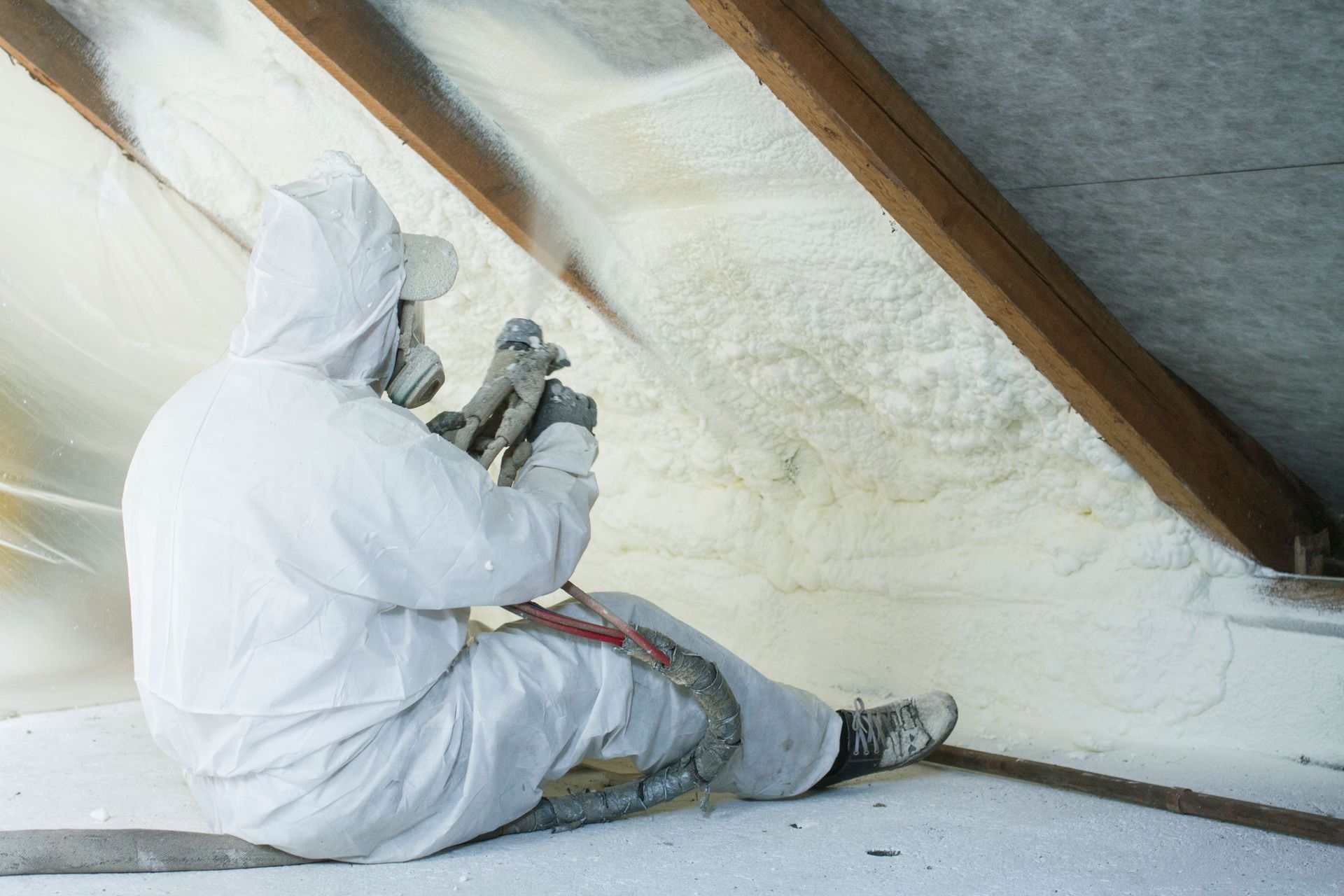
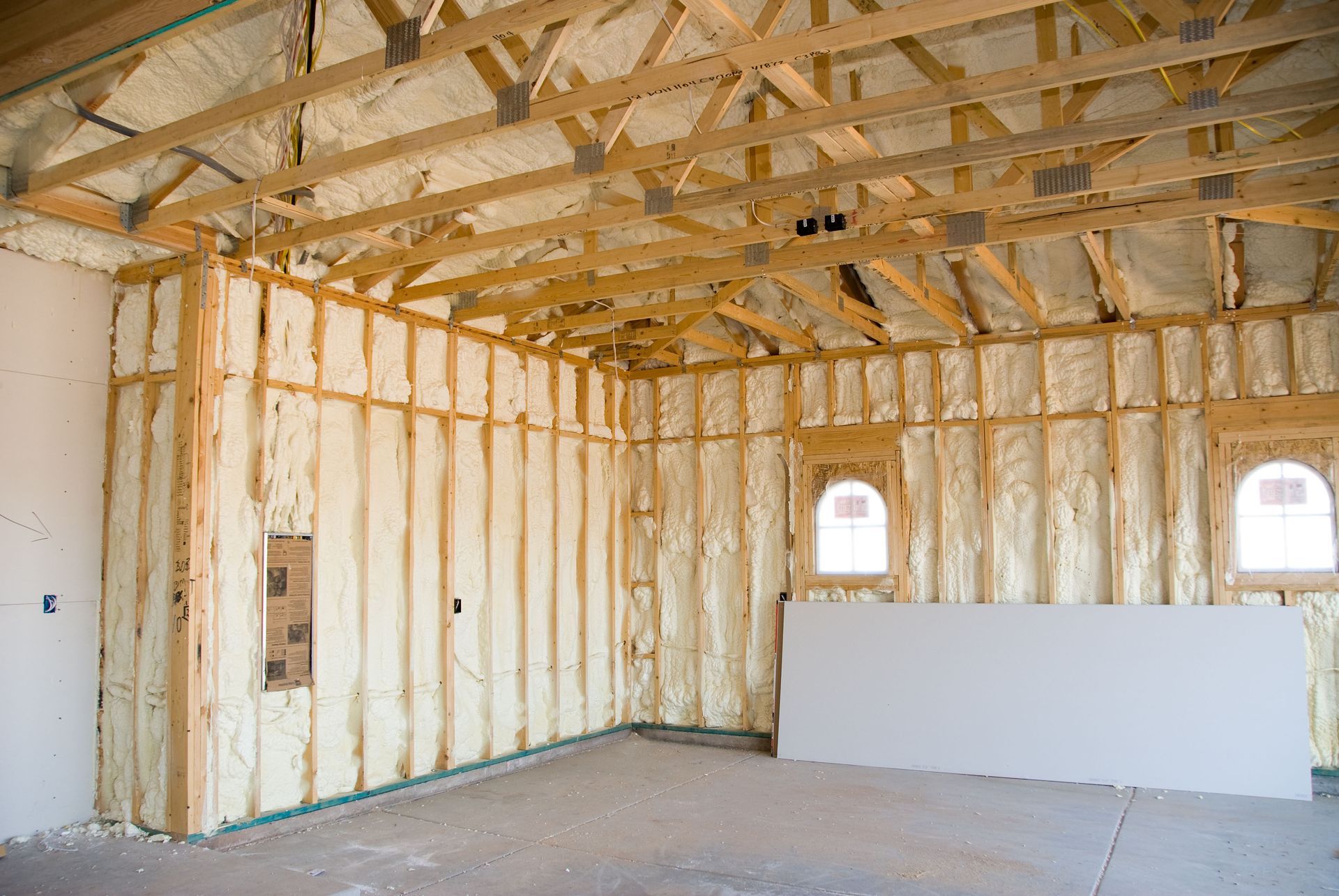
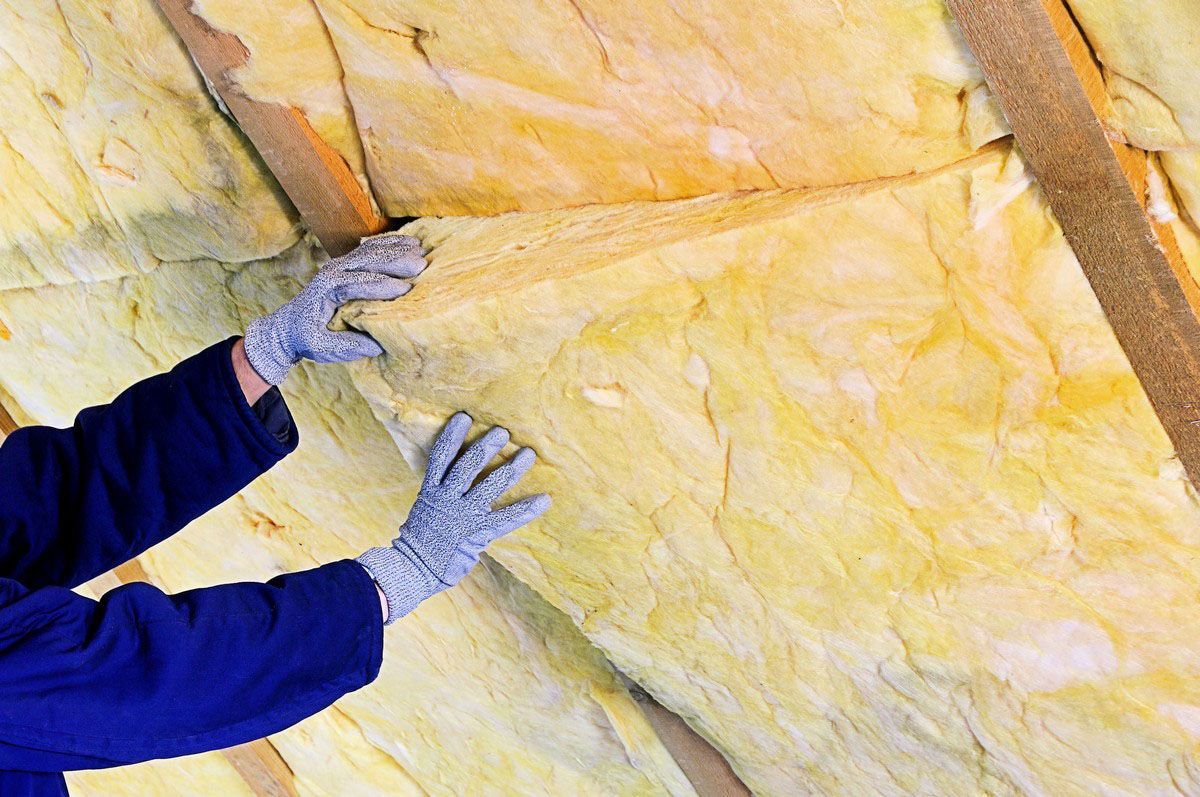
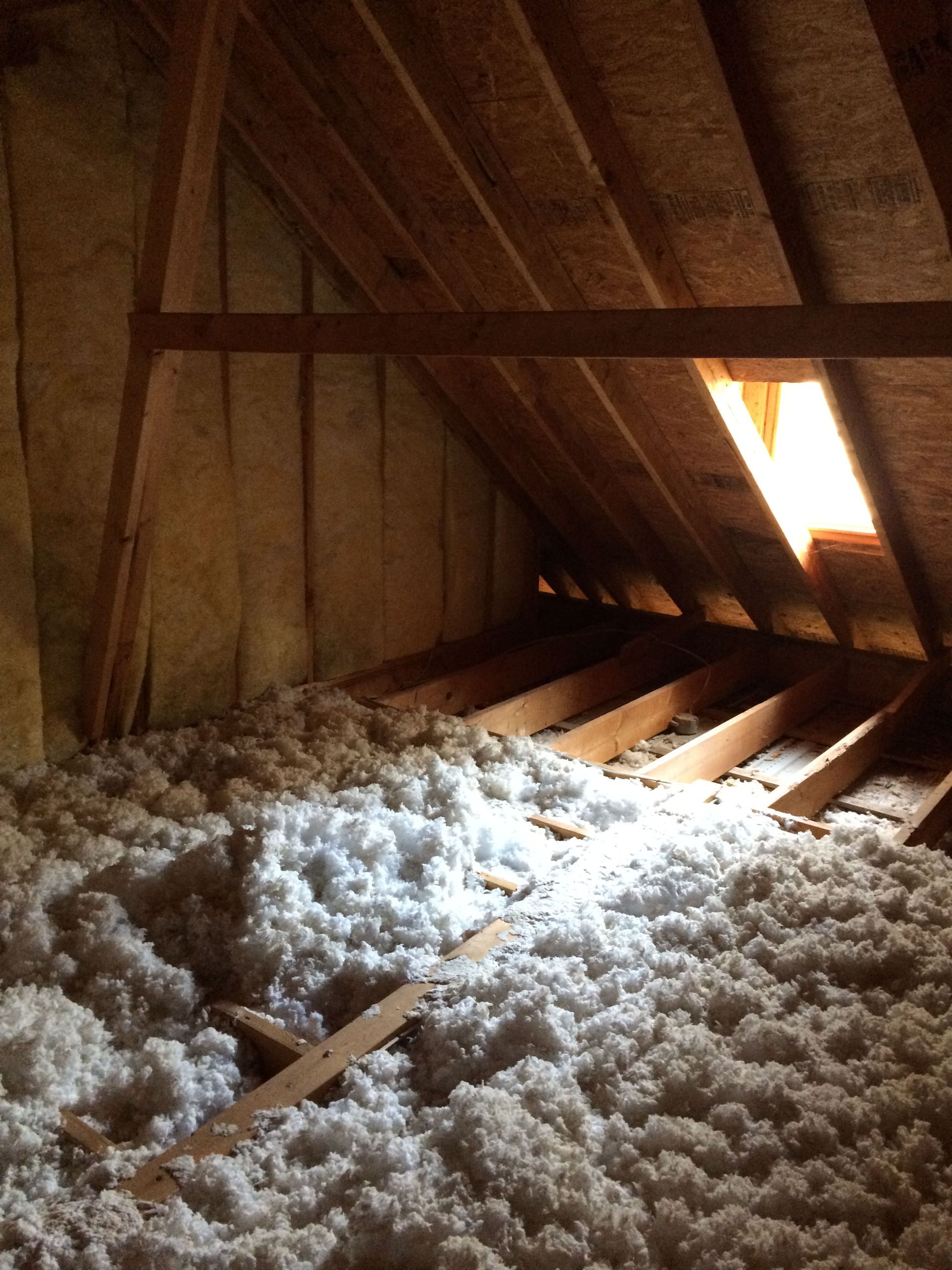
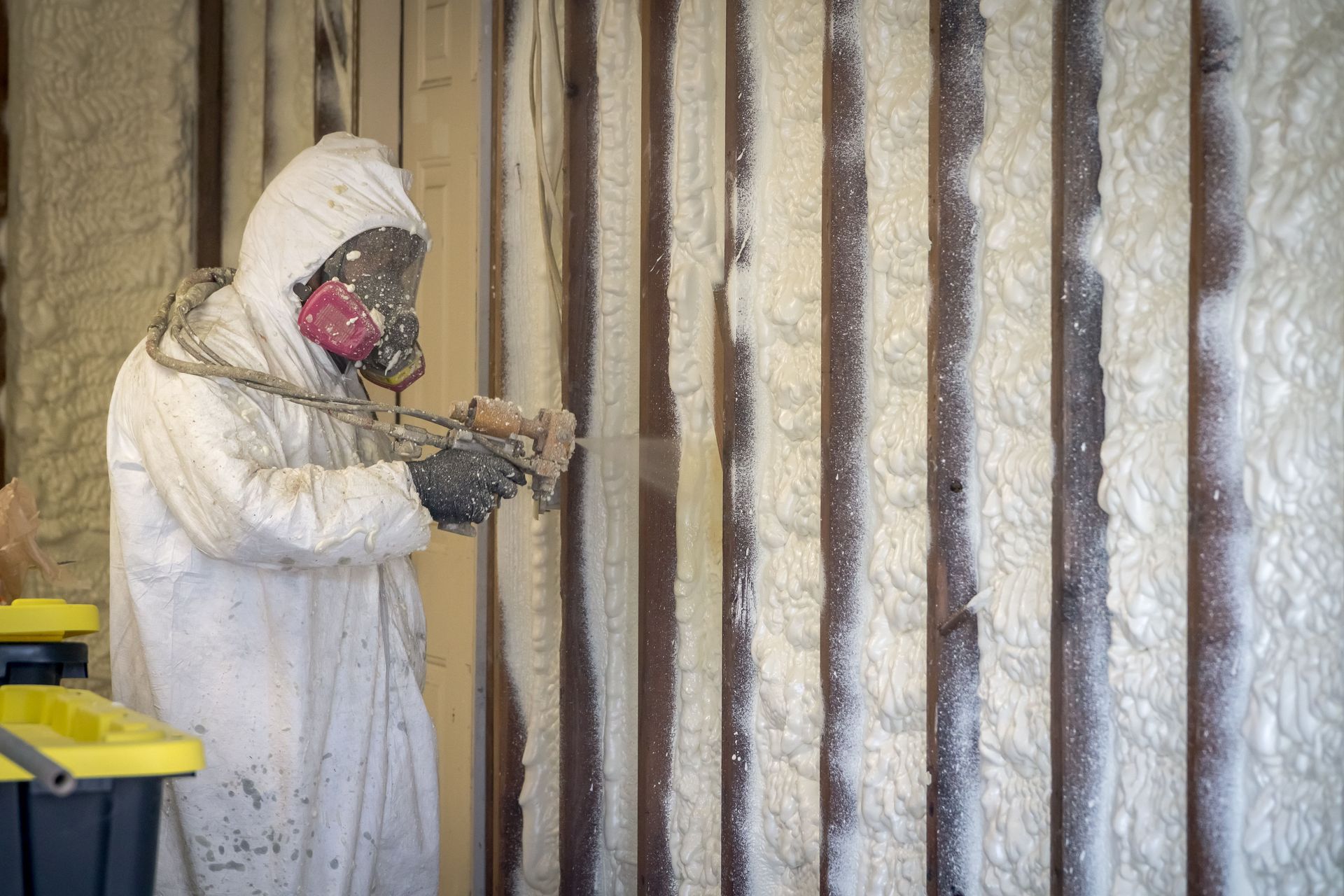
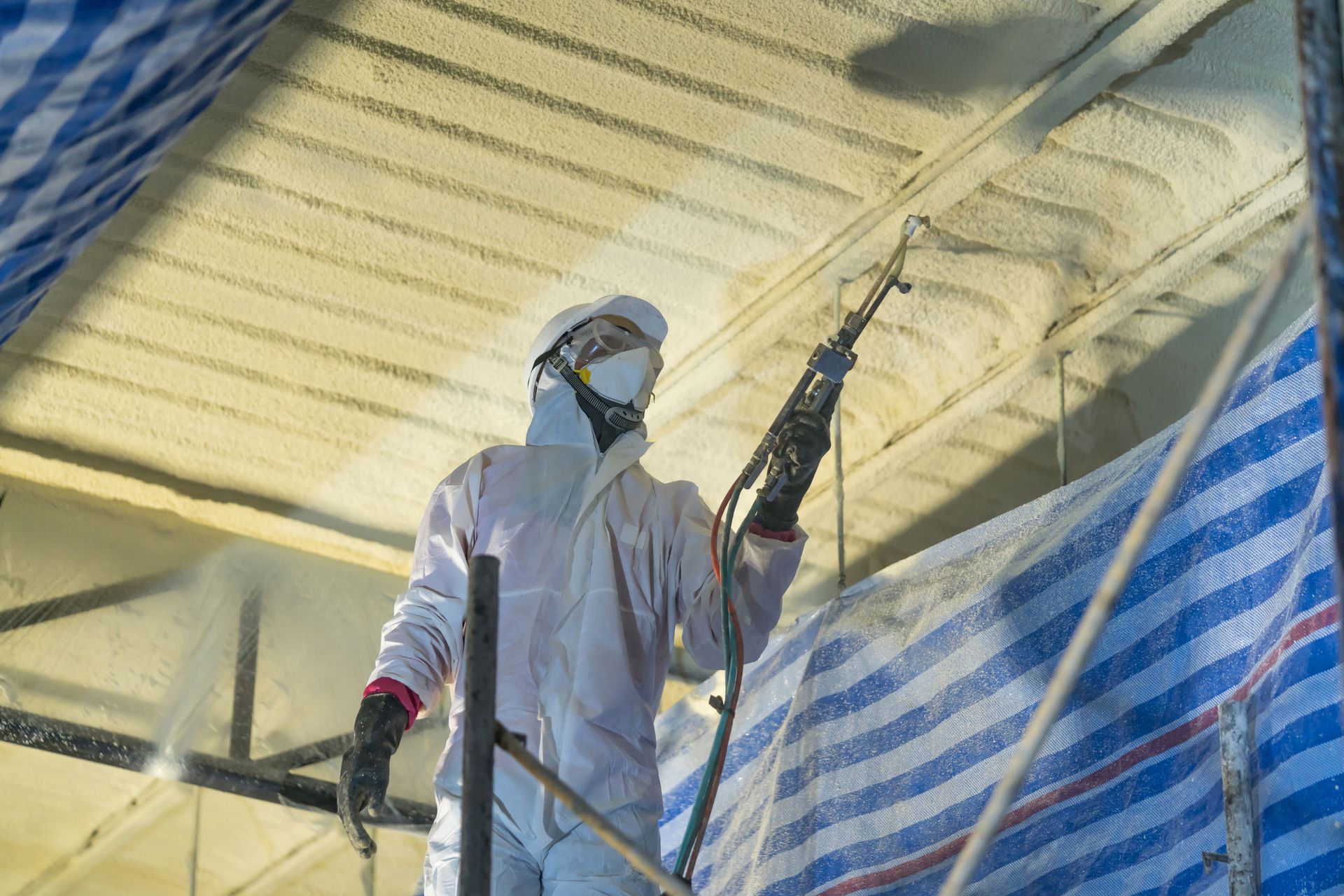
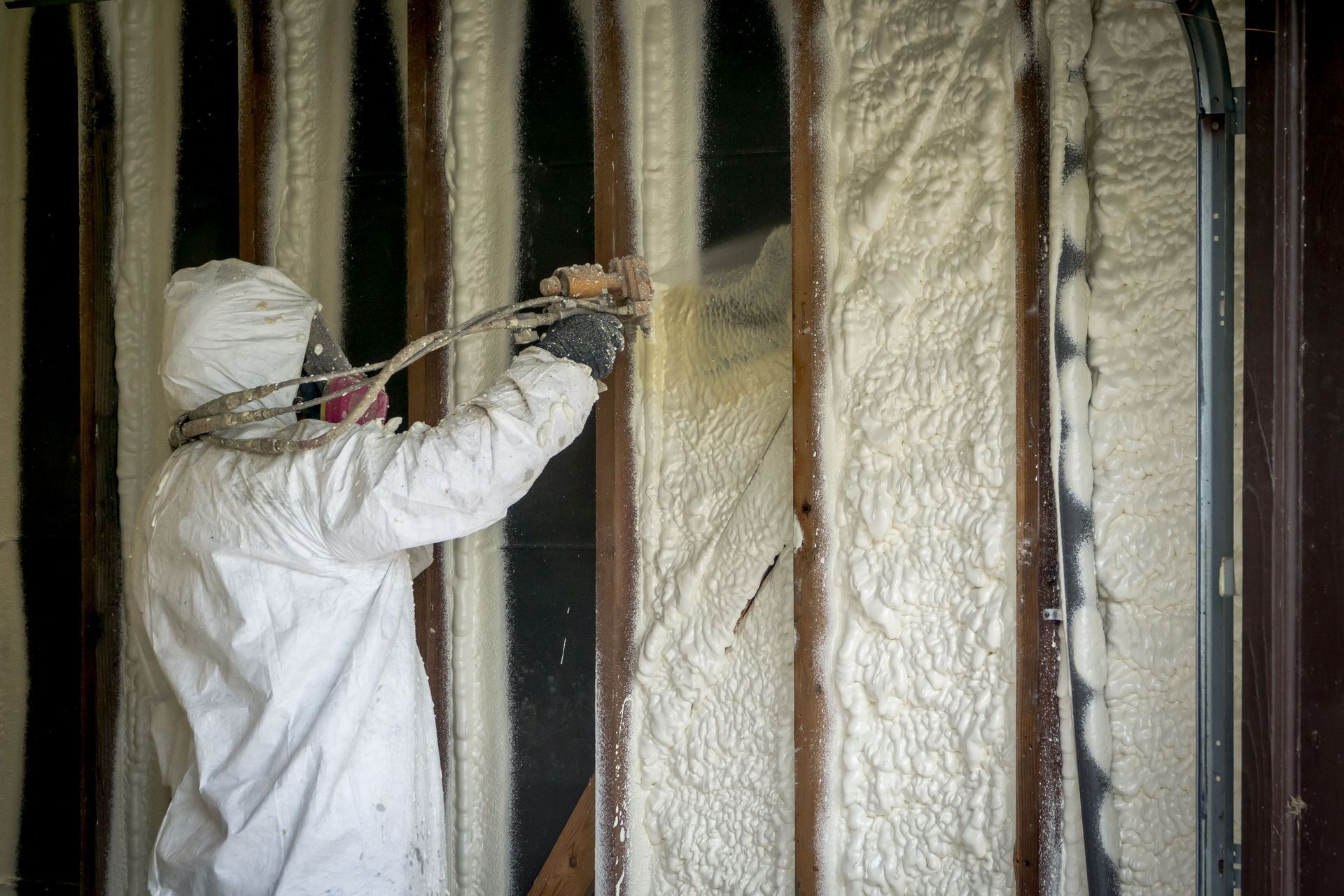
Working with an established insulation company ensures that your property receives the right materials tailored to your local climate. Commonly used materials include fiberglass, cellulose, and polyurethane spray foam, each known for its unique thermal resistance properties. These materials work by trapping air or gas, which reduces thermal conduction and convection within the walls, ceilings, and floors of a house. The effectiveness of these materials is measured in R-values, which represent the overall resistance to heat flow. Higher R-values indicate better insulating effectiveness, making material choice critical for energy savings and cost reduction.
Understanding Thermal Resistance and Performance
Thermal defense works on the principle of resistance, which impedes the natural flow of heat through a building's envelope. Heat transfers in three distinct ways: conduction, convection, and radiation. Modern materials minimize conduction by adding barriers that have poor conductive properties, while reducing convection by sealing air leaks and gaps. Addressing radiation is often achieved by using reflective surfaces that bounce heat away from living spaces. According to Insulation Institute, nearly nine out of ten single-family homes across the country are under-insulated, decreasing comfort while increasing energy costs for homeowners. This widespread issue underscores why contacting a qualified insulation company is so essential for modern homeowners.
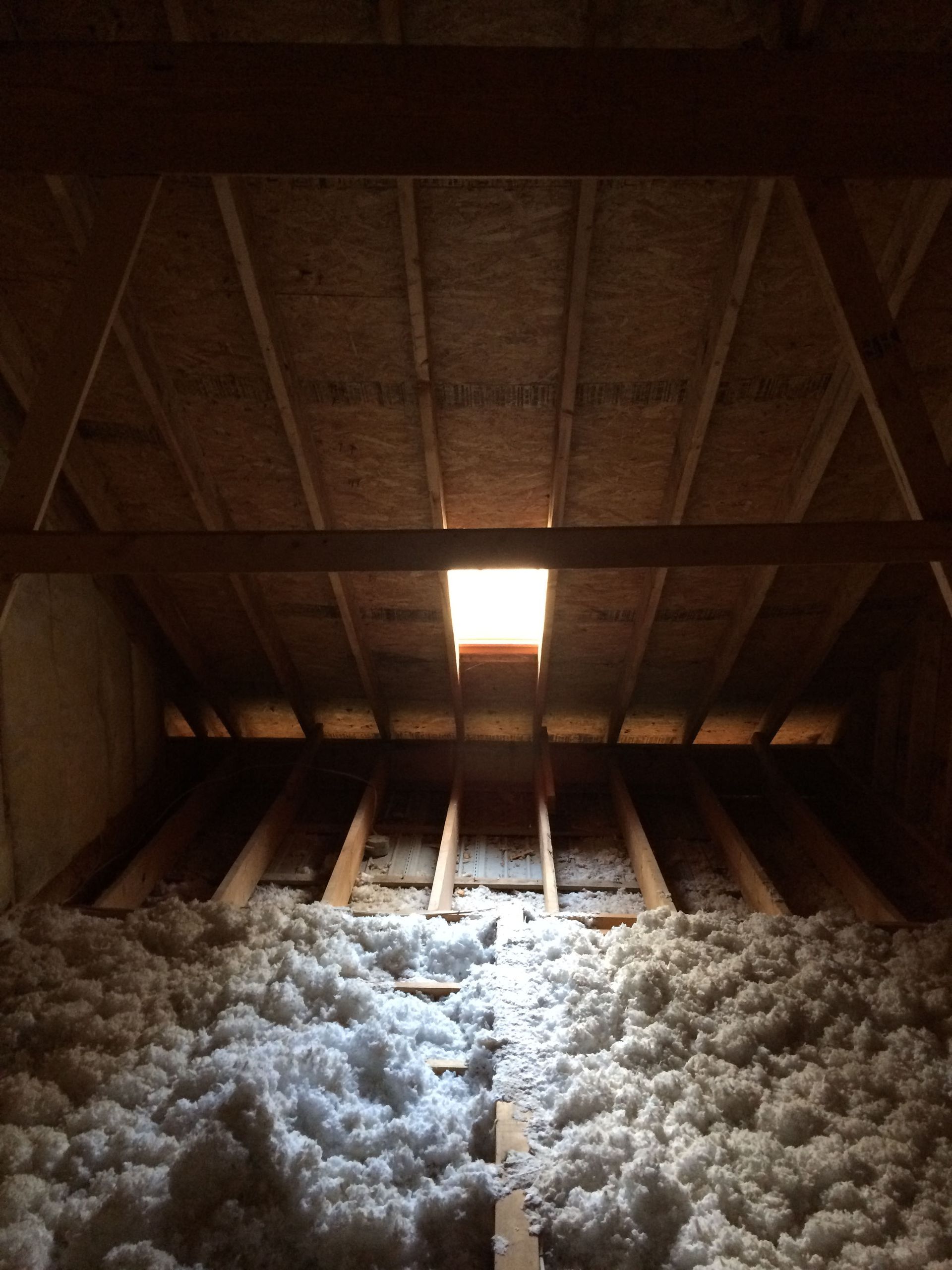
Effective residential coverage requires a strategic focus on key areas such as attics, walls, floors, and crawl spaces. The attic is often the most crucial area to address due to the natural tendency of heat to rise, making uninsulated upper levels a prevalent source of energy loss. Upgrading walls is also essential, as they account for a significant portion of a building's energy efficiency, effectively cutting down on daily heating and cooling costs. Floors and basements are additional areas where proper coverage can prevent cold drafts and protect against moisture intrusion. Partnering with a skilled insulation company allows you to address these vulnerable areas systematically.
Long-Term Value and Environmental Impact
One of the primary benefits of enhancing your thermal barriers is the immediate improvement in household energy efficiency. Proper coverage reduces the need for heating and cooling systems to work excessively by maintaining a stable indoor temperature. This reduction in energy consumption not only lowers utility bills but also lessens the environmental impact by reducing greenhouse gas emissions. Reduced energy consumption translates directly to lower utility bills, which can be especially significant during extreme weather conditions. With utility rates rising steadily, the initial investment in high-quality materials quickly pays off over time.
Beyond financial savings, proper coverage has a profound impact on the environment by decreasing the overall energy demand and carbon footprint of a neighborhood. By minimizing the need for fossil fuel-based heating and cooling, these upgrades contribute directly to reduced carbon dioxide emissions. Additionally, some modern materials use recycled fibers, promoting resource conservation and reducing landfill waste. The shift towards sustainable and biodegradable options further enhances these environmental benefits. A dedicated insulation company can help you choose eco-friendly materials that align your household energy use with broader environmental goals.
Enhancing Indoor Comfort and Air Quality
Thermal materials play a vital role in regulating indoor climate by maintaining consistent temperatures, regardless of external weather conditions. In the winter, these barriers help retain heat, while in the summer, they keep out the heat, creating a balanced living environment year-round. This constant temperature regulation also improves indoor air quality and prevents issues such as condensation and humidity, which can lead to mold and structural damage. Another beneficial aspect of these materials is their capacity to reduce noise pollution, both from outside and within the home. By absorbing sound waves, they minimize the transfer of noise, creating a quieter, more peaceful living environment.
Recognizing poor coverage often involves noticing signs like unusually high energy bills, inconsistent indoor temperatures, or drafts in certain areas of the home. Additionally, physical indicators such as cold spots on walls, moisture seepage, and visible settling of older materials suggest performance issues. A professional energy assessment can confirm these deficiencies and recommend appropriate solutions. Addressing these issues promptly is critical, as insufficient protection contributes to increased energy costs and reduced indoor comfort. Working with an insulation company is the most reliable way to diagnose these hidden issues and restore your home's thermal integrity.
Navigating Building Codes and Standards
Building codes serve as regulatory guidelines that ensure the safety, health, and energy efficiency of residential structures. These regulations dictate the minimum R-values required for different areas of a home, ensuring that upgrades meet safety and efficiency standards. Compliance with building codes helps prevent issues such as structural damage and energy inefficiency, promoting long-term functionality. Familiarity with these requirements is crucial for anyone with home improvement projects. Building codes provide a benchmark for achieving optimal thermal performance, directly impacting both energy savings and structural integrity.
Ensuring that your home meets local building code requirements is essential for legal compliance and effective energy management. Failure to adhere to these standards can lead to penalties and complications if the property is sold or renovated in the future. Certified contractors typically guarantee that their work meets or exceeds these codes, providing complete peace of mind for property owners. Code compliance not only protects your legal and financial interests but also ensures the project's overall effectiveness. A certified insulation company will navigate these local regulations smoothly, ensuring every update is fully compliant.
Future Trends in Home Efficiency
The trend towards green alternatives reflects a wider societal shift towards sustainability and environmental consciousness. Eco-friendly materials like hemp, sheep's wool, and recycled denim are gaining traction due to their renewable nature and low environmental impact. Additionally, these green options boast impressive protective properties, making them attractive choices for environmentally aware homeowners. The move towards sustainability in the industry is driven by consumer demand as well as regulatory incentives for energy-efficient building practices. As awareness and technology continue to advance, green options are set to become a mainstream choice in residential projects.
The advent of smart home technologies represents the next frontier in efficiency, integrating advanced materials with digital interfaces. These technologies can include sensors embedded in the walls that monitor temperature and humidity levels, optimizing energy use in real time. Such features facilitate predictive home management systems that adjust heating and cooling based on real-time data, enhancing overall performance. Moreover, smart technologies can alert homeowners to potential issues, such as moisture penetration or material degradation. An innovative insulation company can help you explore modern advancements to future-proof your property.
Home improvements regarding thermal protection play a crucial role in enhancing energy efficiency, maintaining daily comfort, and providing lasting financial benefits. While there are various details to consider, proper updates are integral to responsible home management and long-term sustainability efforts. By understanding the choices available, homeowners can make smart upgrades that align with their specific comfort goals. Taking action to optimize your thermal barriers will protect your property investment for decades to come. To get started on improving your property's efficiency and year-round comfort, contact the professionals at Thermal Comfort Plus LLC.

Share On: