
Choosing Insulation Companies for Better Home Efficiency
Selecting the right team to improve residential thermal performance is one of the most impactful decisions property owners can make for long-term comfort and cost reduction. Heat naturally travels from warmer zones to cooler zones, creating significant indoor climate fluctuations whenever outdoor conditions turn harsh. When exterior walls, floor cavities, and roof assemblies permit unrestricted thermal transfer, mechanical heating and cooling equipment must run continuously to maintain a set temperature. Engaging qualified insulation companies ensures that whole-building dynamics are comprehensively evaluated prior to adding material. Professional installers diagnose specific structural deficiencies, analyze local climate conditions, and determine appropriate thermal barriers to stabilize interior temperatures effectively throughout all four seasons.
A strategic whole-home insulation upgrade delivers multiple secondary advantages beyond basic thermal moderation. Comprehensive coverage functions as an acoustic barrier that dampens street noise, lawnmowers, and neighborhood activity, establishing a quieter indoor sanctuary. Sealing thermal boundaries also reduces unwanted humidity infiltration and restricts outdoor airborne allergens from circulating through living quarters. Because high-performance thermal envelopes lessen the operating hours of furnaces and air conditioners, household equipment experiences less mechanical strain, lowering maintenance demands and delaying expensive replacements. Investing in professional installation modernizes residential structures, cuts overall carbon emissions, and builds long-term real estate value.
Evaluating Thermal Deficiencies Across the Home
Energy efficiency is heavily reliant on the quality and type of insulation used. Homes that lack proper insulation typically suffer from significant energy losses, with heating and cooling systems working overtime. This inefficiency can lead to increased energy bills throughout the year. According to Energy Star, homeowners can save an estimated 15% on heating and cooling costs by adding insulation in attics, floors over crawl spaces, and accessible basement rim joists. Such improvements underscore the importance of insulating effectively to harness energy savings. Certified installers pinpoint exact air leak locations along structural framing to rectify these common performance gaps systematically.
Conducting whole-home energy audits allows technicians to measure baseline air exchange using calibrated blower door systems and infrared imaging. These diagnostic assessments expose hidden bypasses around electrical penetrations, recessed lights, plumbing chases, and chimney flues where conditioned indoor air continually escapes into exterior spaces. Rather than guessing where thermal bridges occur, property owners receive empirical data detailing where boundary failures originate. Professional insulation companies interpret these precise diagnostic findings to build targeted restoration plans that target major structural heat drains before applying fresh materials.
Navigating Advanced Materials and Regional Requirements
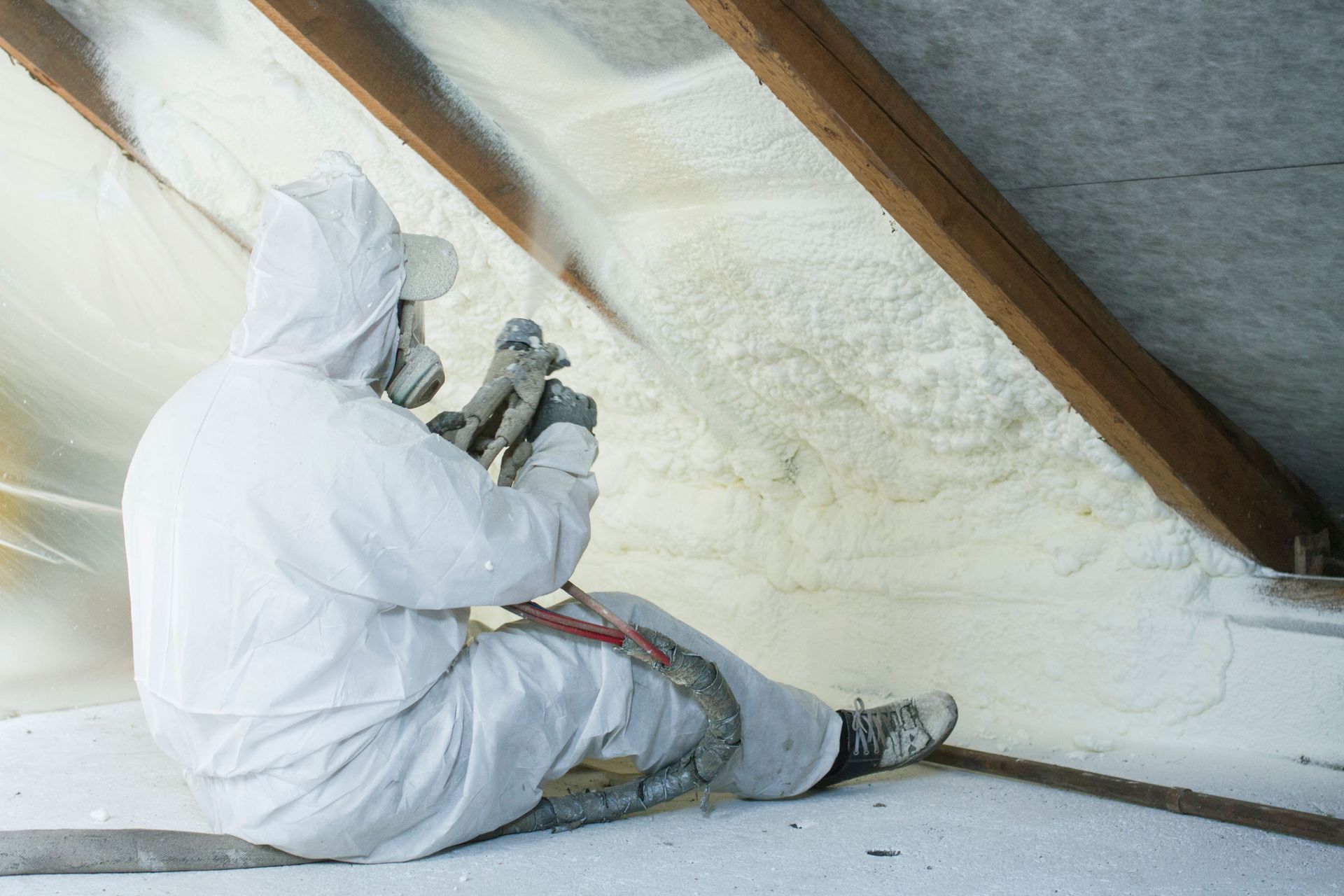
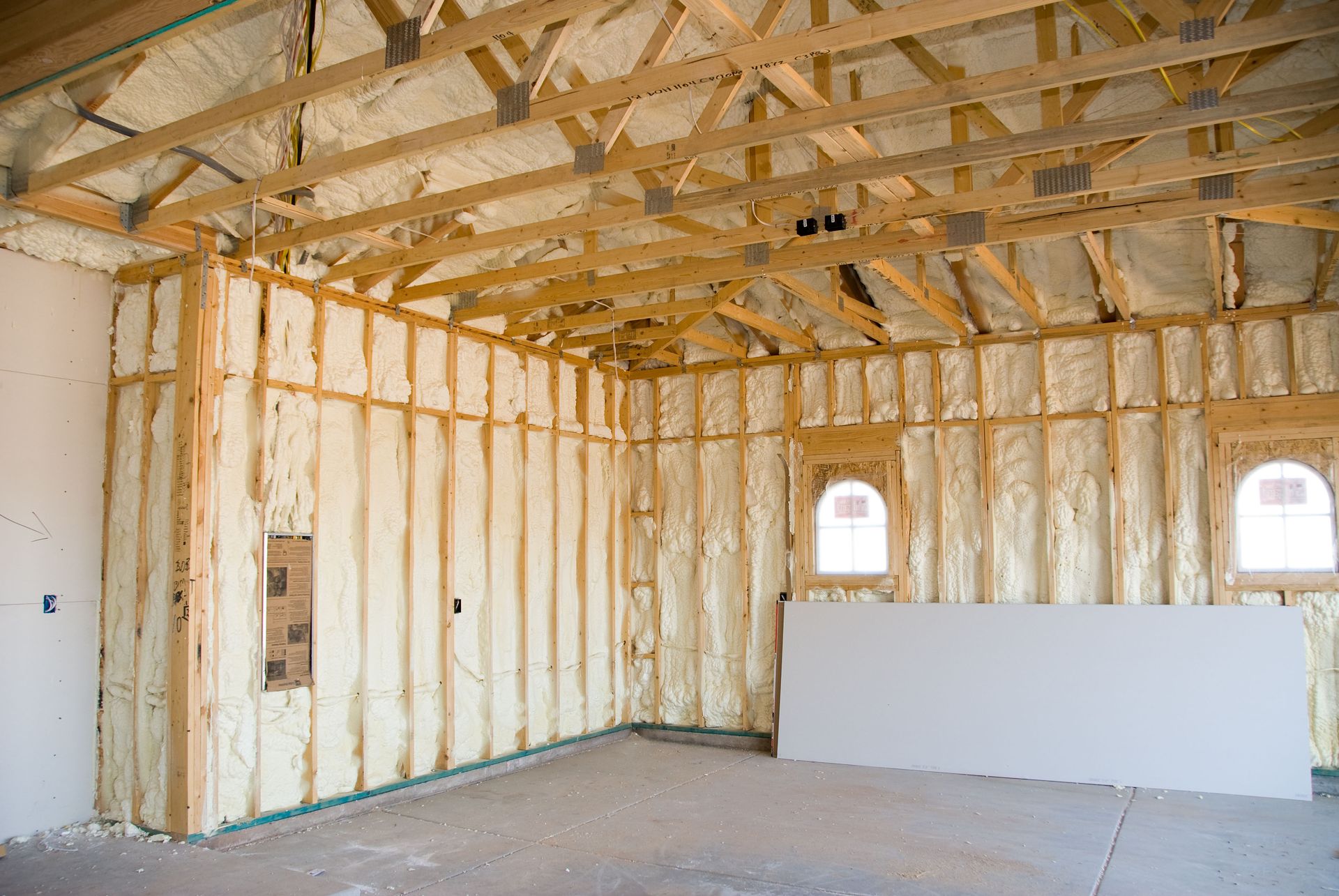
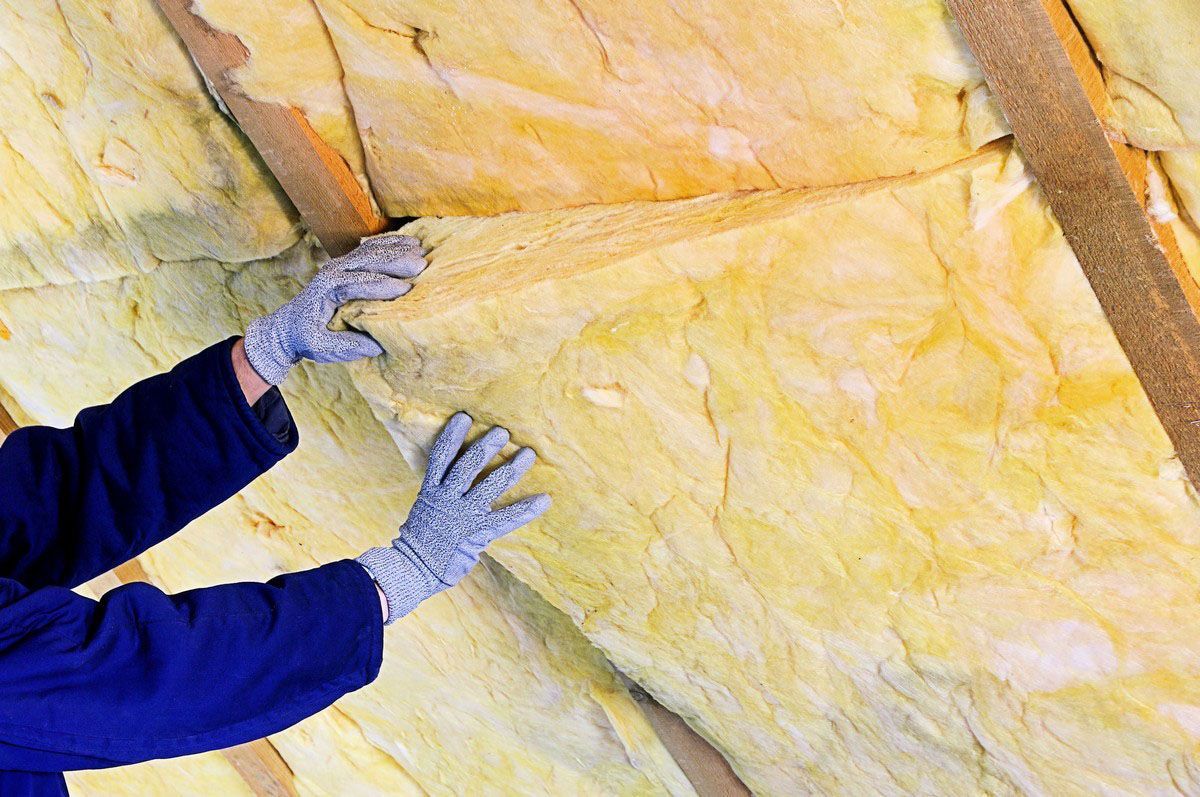
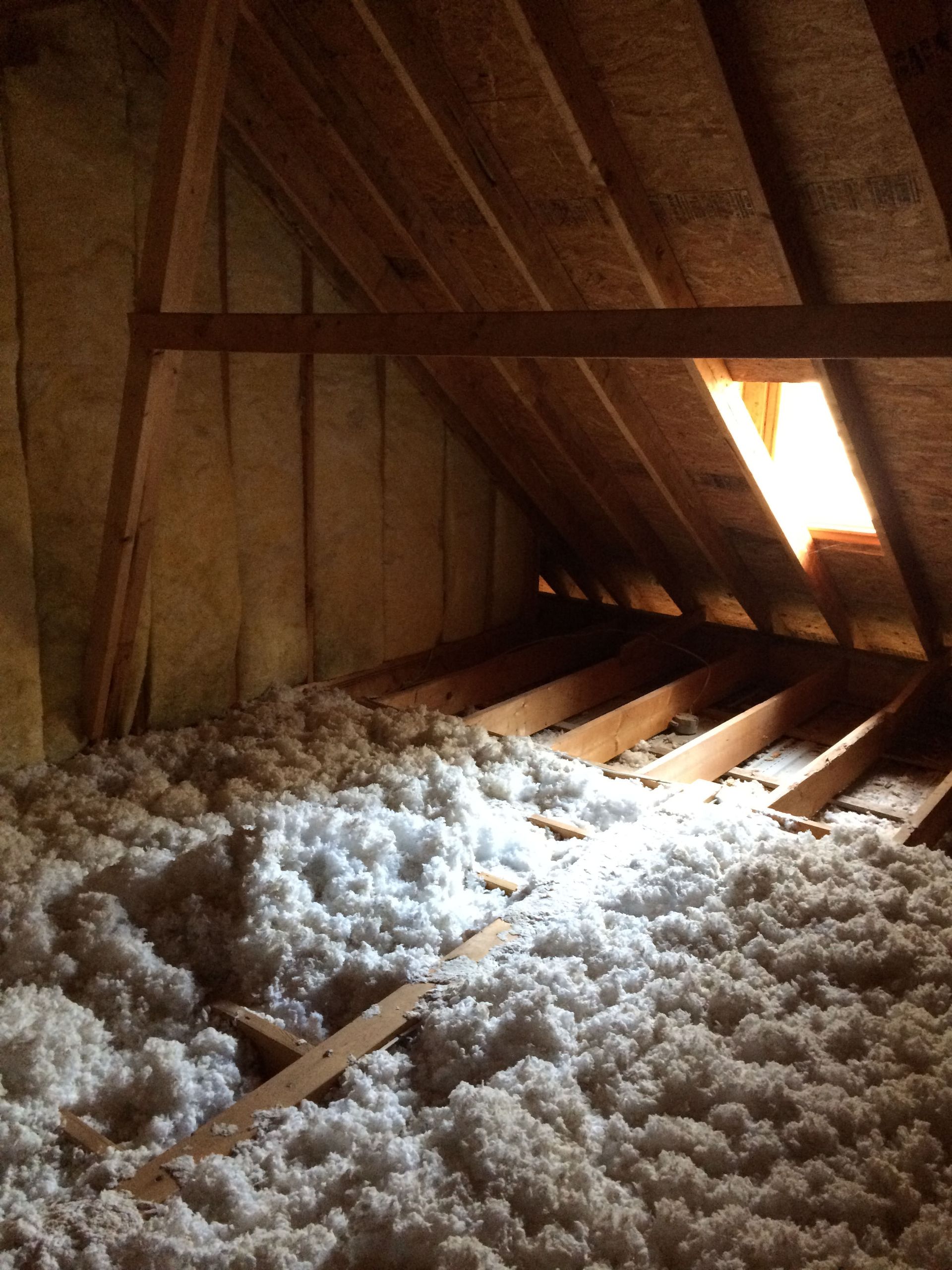
Selecting optimal insulating materials requires a detailed understanding of regional climate demands, moisture exposure, and local building code standards. Cold climates generally demand expansive thermal resistance ratings to impede steady heat transfer through exterior framing during frigid weather. Conversely, hot and humid locations necessitate vapor-permeable designs or dedicated moisture barriers to prevent ambient dampness from condensing inside enclosed wall cavities. Technicians evaluate regional weather patterns alongside framing dimensions to specify whether dense-pack cellulose, high-density mineral wool, fiberglass rolls, or expanding polymeric foam provides the safest and most effective solution.
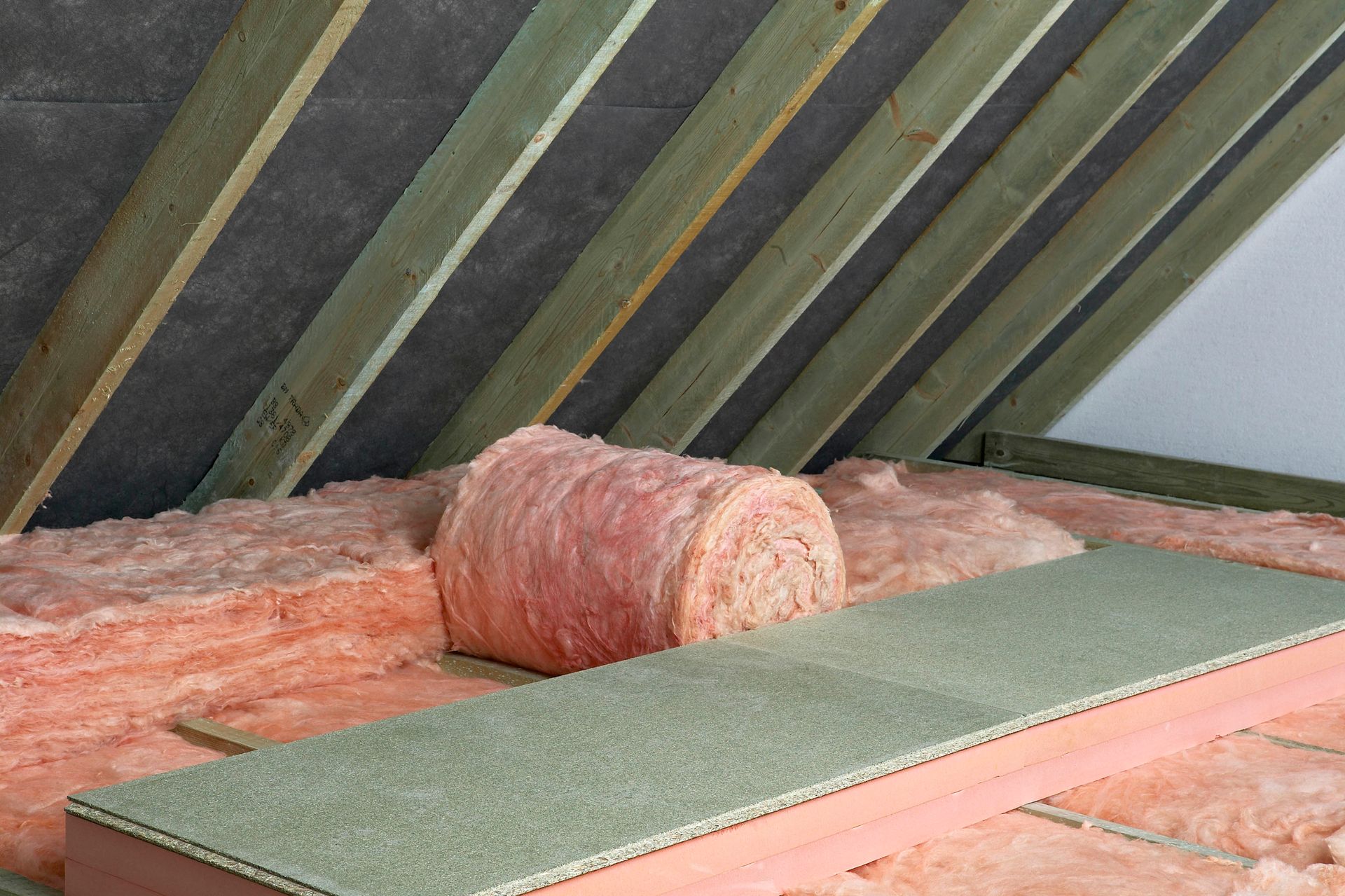
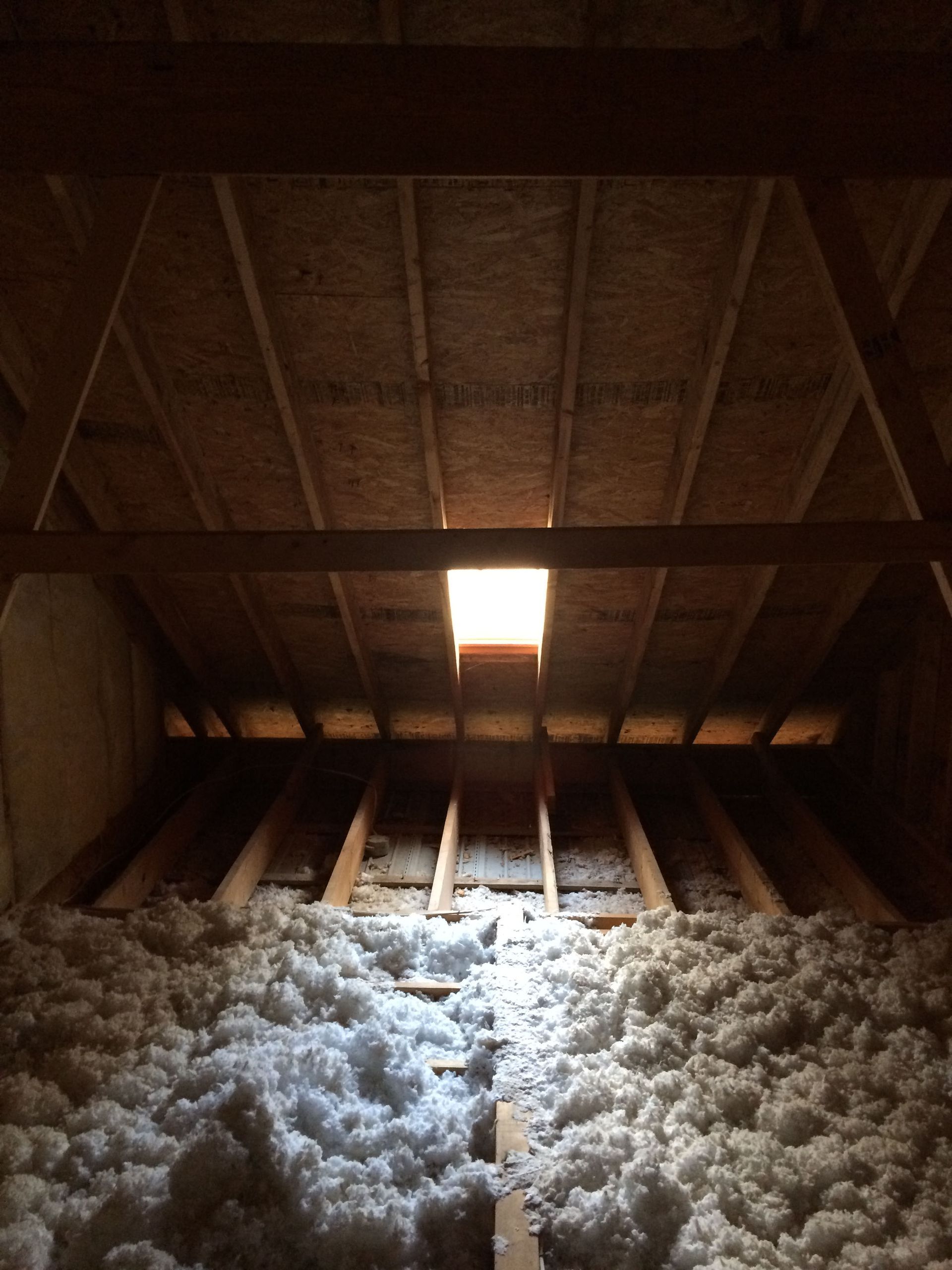
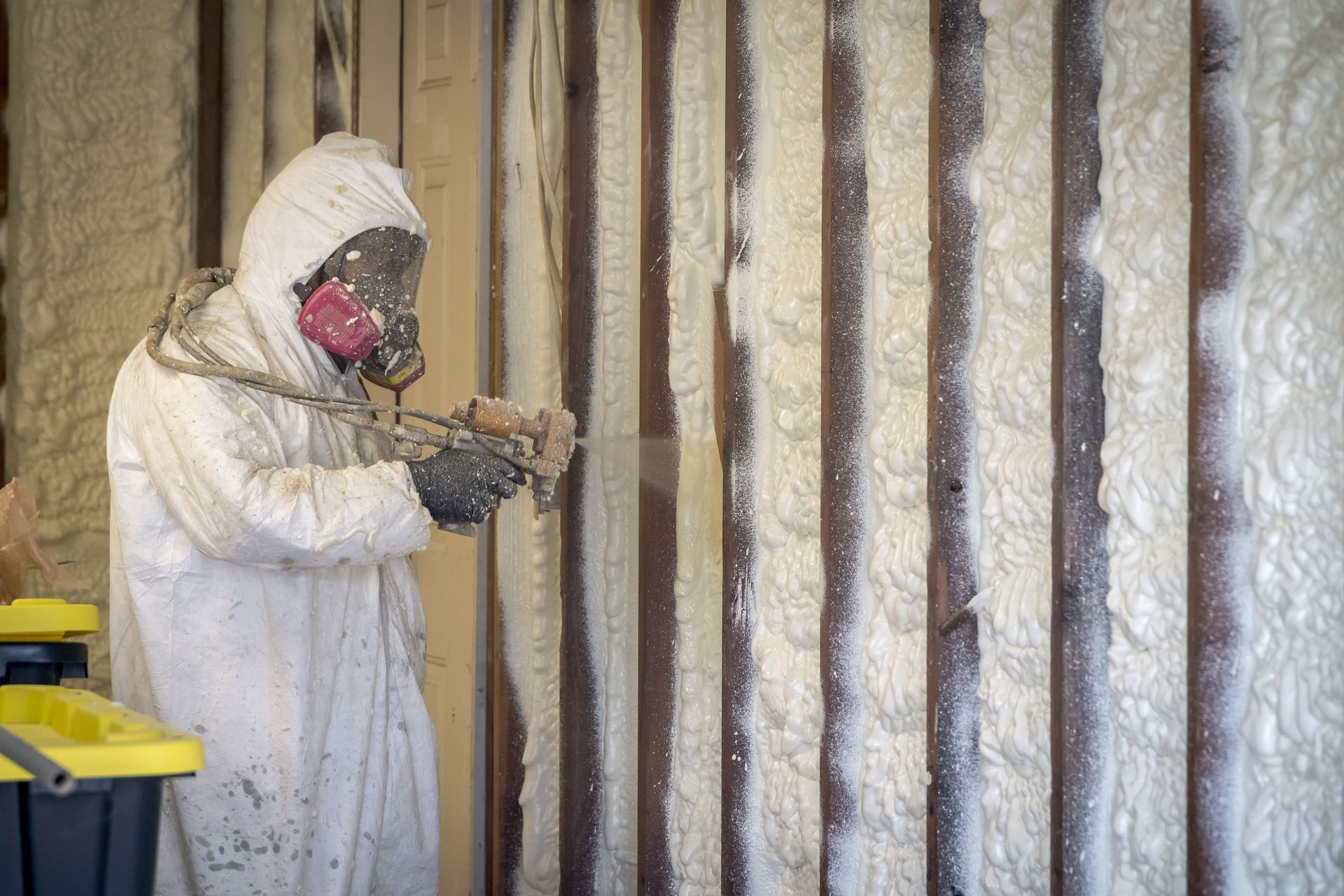
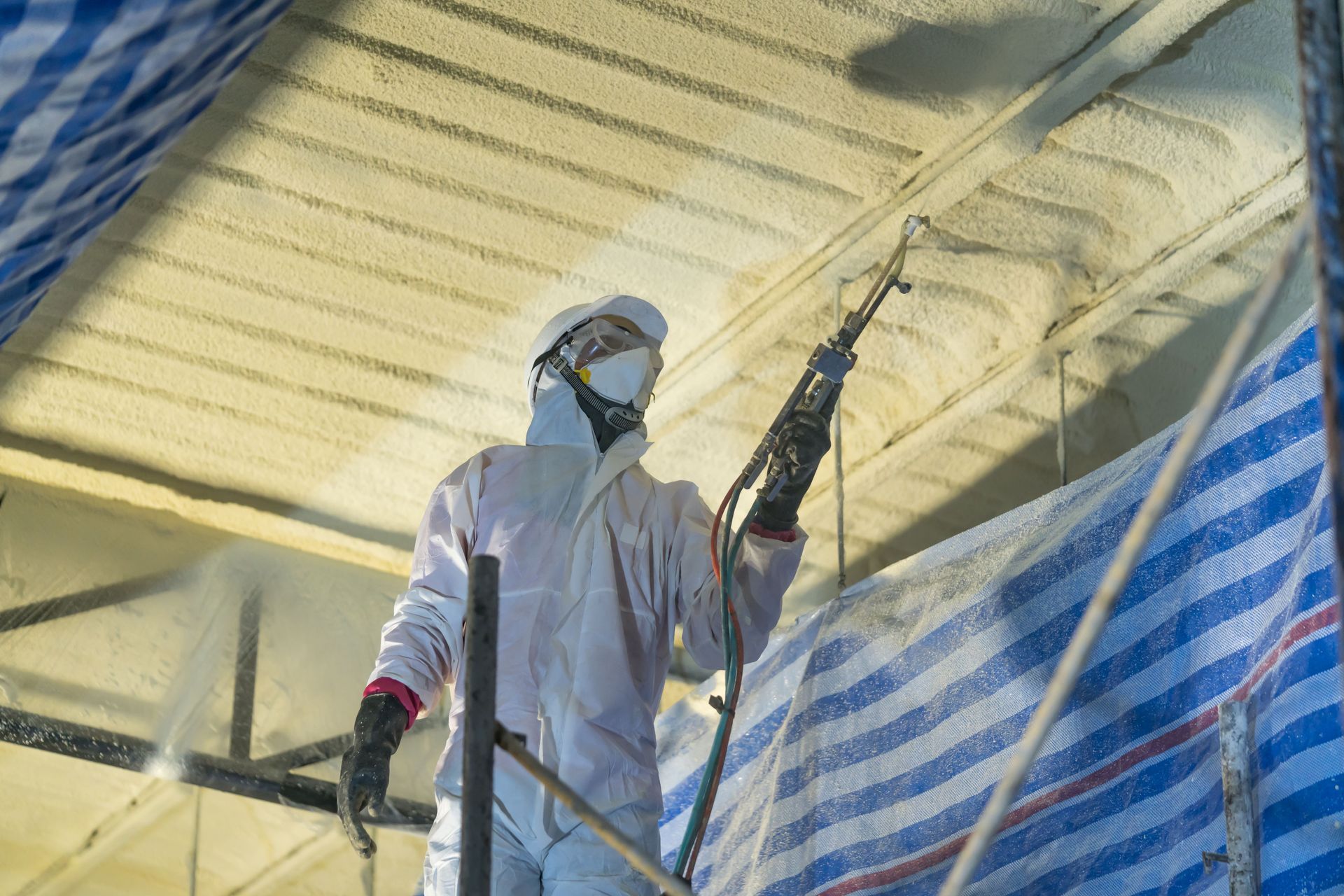
Each commercial material category presents distinct physical performance characteristics across residential installations. Closed-cell expanding foam provides exceptional thermal resistance per inch of thickness alongside an integrated moisture barrier that reinforces structural integrity. Mineral wool yields remarkable fire resistance and sound dampening qualities, making it ideal for exterior envelopes and multi-story floor assemblies. Cellulose, manufactured from treated recycled paper, excels at filling irregular framing gaps around mechanical rough-ins to eliminate convective loops. Reputable insulation companies explain the life-cycle strengths and environmental profiles of these competing materials, ensuring homeowners choose solutions engineered for their exact architectural setup.
Vetting Contractor Qualifications and Industry Credentials
Screening prospective contractors requires verifying current credentials, operational licenses, and appropriate insurance coverage. Authentic compliance protects property owners against liability and ensures all work satisfies municipal safety ordinances. Uncertified crews frequently bypass critical regional code requirements, fail to maintain clearance around heat-producing light fixtures, or obstruct attic ventilation baffles, creating severe moisture accumulation problems beneath roof sheathing. Qualified contractors carry comprehensive commercial liability policies and state-mandated worker protection plans, willingly supplying current policy documentation before signing project contracts.
Demonstrated competence within the building performance field is evidenced by affiliations with recognized trade organizations. Industry groups such as the Building Performance Institute and the Insulation Contractors Association establish stringent guidelines for thermal envelope assessments, building science fundamentals, and worker safety protocols. Contractors holding these specialized accreditations invest in ongoing staff education to master evolving application techniques and changing environmental regulations. Choosing established insulation companies with verifiable trade credentials provides reassurance that field technicians understand proper material curing timelines, air barrier alignment, and whole-house ventilation dynamics.
Comparing Comprehensive Estimates and Scope of Work
Acquiring detailed estimates from multiple licensed providers enables property owners to contrast service scopes, proposed materials, and projected timelines accurately. A high-quality quote must clarify every facet of the project, enumerating material brand names, intended thicknesses, target thermal resistance numbers, ventilation adjustments, and disposal protocols for degraded historic material. Unusually low bids often signal that a crew plans to skip crucial air-sealing steps or utilize lower-density materials that perform poorly over time. Transparent proposals outline clear milestones, cleanup schedules, and payment schedules tied directly to verified installation checkpoints.
Equally important are the contractual warranties provided for both product integrity and field craftsmanship. High-performance insulation products frequently carry extensive manufacturer backing against settling, shrinkage, or chemical degradation, but those warranties become void if applied outside strict manufacturer specifications. The contractor must provide a written craftsmanship warranty that guarantees labor accuracy, covers potential callback visits, and details remedial procedures if settling occurs. When reviewing multiple insulation companies, homeowners must weigh warranty longevity, verified customer testimonials, and communication clarity against simple bottom-line costs to ensure superior overall value.
Inspecting Completed Work and Long-Term Performance
Verifying project completion requires a structured post-installation inspection to confirm that materials match specified designs and maintain continuous structural contact. Quality installers examine unconditioned attic spaces to ensure material depth rulers are placed visibly throughout the space and that access hatches are thoroughly insulated and weatherstripped. Technicians confirm that recessed fixtures, plumbing vents, and electrical conduits remain sealed against air leakage without obstructing required soffit and ridge ventilation channels. Proper documentation, including completed certificate labels detailing the installed thermal values and material weights, must be posted near utility panels or attic access points.
Post-installation verification often features a secondary depressurization test to calculate the exact percentage of air leakage eliminated across the home envelope. This objective measurement confirms that the newly installed materials achieve targeted air infiltration reductions without suffocating necessary indoor airflow. Homeowners who hire experienced insulation companies receive complete diagnostic reports validating the successful closure of previous thermal defects. With verified continuous coverage secured across building boundaries, residents immediately experience consistent indoor temperatures, subdued ambient outdoor noise, and lower monthly heating and cooling expenses for decades to come.
Improving whole-home thermal performance safeguards family health, stabilizes interior temperatures, and produces immediate utility bill reductions when executed by seasoned professionals. When heating and cooling equipment operates within a sealed building envelope, indoor spaces remain temperate during intense seasonal heatwaves and freezing winter storms alike. Investing in professional installation shields structural framing from moisture deterioration and dramatically reduces operational strain across essential HVAC machinery. Partnering with seasoned
insulation companies ensures every boundary is thoroughly addressed, eliminating comfort compromises and maximizing long-term energy savings across your entire residential footprint. Contact Thermal Comfort Plus LLC today to schedule your comprehensive whole-home thermal performance assessment and secure exceptional energy savings.

Share On: